blog-img
Dated:Oct 29, 2026

Community Cinema and Film Screening Venues in London

A film night can bring a neighbourhood together in a way that few other community events can. It might be a monthly film club, a documentary followed by a discussion, a short film festival showcasing local talent or a family-friendly screening organised by a community group. Whatever the idea, choosing the right room is an important part of making the event work.

Finding film screening venue hire in London does not mean you have to book a traditional cinema. A community hall, lecture room or flexible event space could be a good alternative if it has the right layout and audio-visual facilities. Through Conveenie, organisers can compare different types of spaces across London and filter for features such as a projector, screen, sound equipment, flexible seating, and kitchen facilities. This search capability is especially valuable for film clubs and community groups operating with support from national cinema bodies—such as the Independent Cinema Office (ICO), Cinema For All, or the BFI Film Audience Network (FAN)—who need to easily discover and secure spaces that meet technical, accessibility, and screening criteria.

What Makes a Good Venue for a Film Screening?

The first thing to consider is the type of screening you are organising. A documentary followed by a question-and-answer session needs a slightly different setup from a monthly film club or a short film festival. For a documentary screening, you may need space for a speaker and microphones after the film. A film club may need comfortable seating and room for refreshments, while a festival could require a larger space with a clear viewing area.

Picture quality and sound should be high on your checklist. Look for a venue with a projector and screen, or check whether you can bring your own equipment. Ask about the projector's connections, supported formats, screen size and the distance between the projector and screen. It is also worth checking whether speakers are included, whether you can connect a laptop and whether a microphone is available for introductions or audience questions.

Lighting is another detail that is easy to overlook. A room with large windows may be bright and welcoming for a daytime workshop, but unwanted light can make a film difficult to see. If you are looking for a blackout-friendly room for film screenings, ask whether curtains or blinds are available and whether the room can be darkened sufficiently. Do not assume that a venue with a projector automatically has suitable lighting for cinema-style viewing.

Community Halls and Screening Spaces to Explore on Conveenie

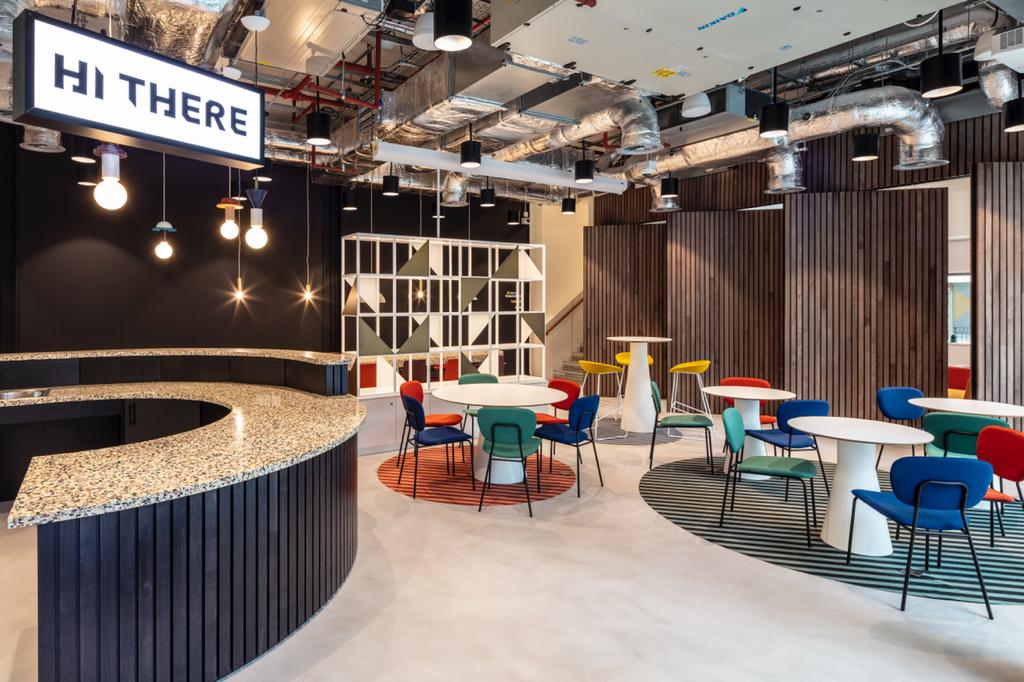
A community cinema does not always need a specialist screening room. Depending on your audience and budget, a local hall with suitable audio-visual equipment may be enough. Conveenie has several spaces worth exploring for different types of screenings, although you should confirm that film exhibition is permitted before booking. Cinema For All members can also draw on equipment hire schemes and coaching advice when adapting flexible community spaces for projection.

For a smaller community film night, Scout House Main Hall has a projector and screen, a stage, Wi-Fi, kitchen facilities and flexible seating. This combination could be useful for a local film club that wants to arrange seats for a screening and then use the space for refreshments or a discussion. Check the current capacity, seating arrangement and lighting conditions with the host.

For a documentary screening with a discussion afterwards, The Forum at Your Space in Deptford has facilities including a projector and screen, speakers, a TV and presentation equipment. The flexible room setup could be worth considering for a small screening followed by a Q&A, the host confirms that your proposed film event is allowed.

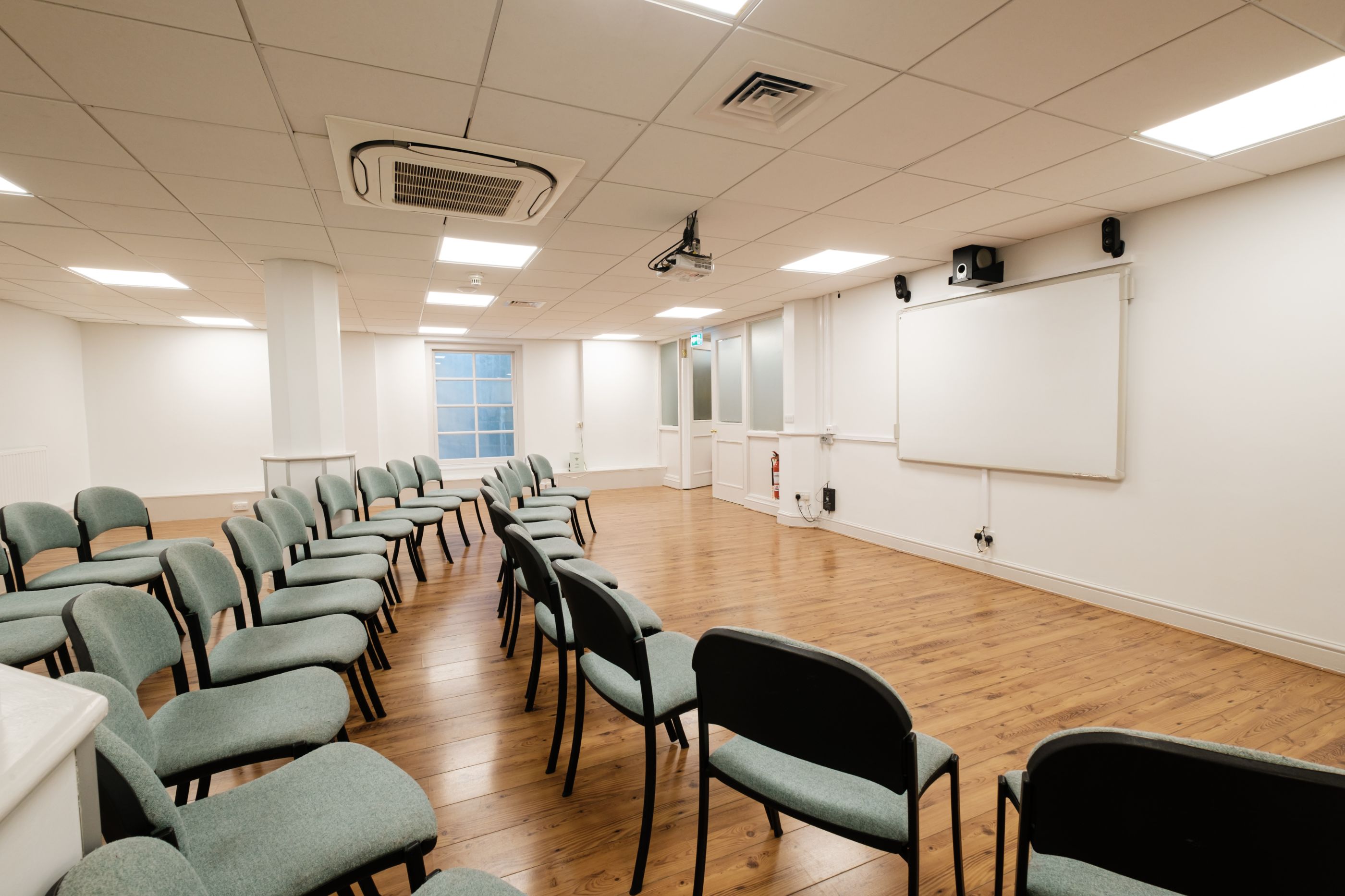
If you are planning a larger screening or a short film festival, The Lecture Room at Thames Reach Employment Academy is another option to investigate.This may be useful for organisers expecting a larger audience, but you should check the current seating layout, equipment availability and any deposit or booking conditions before making a decision.

For a truly authentic cinematic atmosphere, the Cinema Museum venue in Elephant and Castle provides a historic film setting packed with cinema memorabilia and classic screening facilities, making it ideal for unique community film nights and special screenings.

These examples show why it helps to compare more than the venue name or hourly price. The best community cinema venue will depend on the number of people attending, the type of film, the equipment you need and whether you want to hold a discussion or social gathering afterwards.

Film Screening Licences: What Organisers Need to Know

One important part of planning a film night is checking permissions. Hiring a hall and having a copy of a film does not automatically give you the right to show it to an audience. According to GOV.UK guidance on showing films and TV programmes in public, permission may be required even when you do not charge for tickets. Film clubs and community cinema events are included in this guidance.

You may need permission from the copyright owner or an authorised licensing organisation. The Independent Cinema Office's guide to film licensing explains the difference between film copyright permission and premises licensing. These are separate issues, so having one does not automatically cover the other. Groups affiliated with Cinema For All can also take advantage of booking schemes and advisory support to navigate non-theatrical copyright licensing efficiently.

There are specific exceptions for some non-profit screenings in community premises. Under the current government guidance, certain screenings may not require a premises licence if they meet the relevant conditions, including the permitted hours, audience limit, consent from the person responsible for the premises and film age-rating requirements. However, this does not remove the need to check copyright permission for the film itself. Requirements can depend on the venue and the way the event is organised, so check with the venue host and your local council before advertising the screening.

If you plan to show a documentary, a commercially released film or a selection of short films, confirm the relevant permissions before finalising your programme. It is much easier to sort this out early than to discover that your chosen title cannot be shown at the event.

Keeping Your Film Night Affordable and Comfortable

For a monthly film club, affordability is often just as important as the equipment. Hourly venue hire can give community organisers flexibility, but remember to include the time needed to set up the screen, test the sound, welcome guests and clear the room afterwards. Ask whether the venue offers recurring bookings or whether the price changes for evening or weekend use.

It is also worth checking what the hire fee includes. A projector may be available, but cables, speakers, microphones or technical support might need to be arranged separately. If you are planning a Q&A, make sure the room has enough microphones and that the audience can hear both the speaker and questions from the floor. For a short film festival, check whether you can switch between different files and formats without delays.

Comfort matters too. Consider the number of seats, the viewing angle, ventilation, accessible entry and toilet facilities. If you plan to serve tea, coffee or snacks, ask whether the venue allows refreshments and whether you can use its kitchen. For community events, these small details can help make the screening welcoming to people of different ages and access needs.

Conveenie's venue search allows organisers to compare spaces and look for listed facilities such as projectors and screens, sound systems, microphones, and kitchens. BFI Film Audience Network (FAN) members and regional exhibitors can use these search tools to locate affordable, well-equipped local hubs across London to expand audience reach and maximize project funding impact. Use these filters as a starting point, then confirm the details directly with the host, especially if your event depends on particular technical requirements.

How to Find the Right Film Screening Venue in London

Before booking, write down your audience size, preferred location, budget, screening format and equipment needs. Decide whether you need a room that can be darkened, space for a speaker, refreshments or a flexible layout for a discussion after the film. If you are planning a recurring film club, also check that the venue can accommodate your preferred dates over the coming months.

For organisers wondering where to hire a venue for a documentary screening and Q&A, a flexible community hall or meeting space may be a practical starting point. A small group may need only a compact room and reliable sound, while a larger community screening could require more seating and a dedicated projection setup. The right choice is the one that supports your event without making you pay for facilities you will not use.

Whether you are setting up a local film club, planning a documentary night or organising a short film festival in South London, Conveenie can help you explore spaces across the city and compare their listed facilities before making an enquiry.


Resources for Community Cinema Organisers

National cinema organisations offer vital guidance, funding, and licensing support to independent exhibitors and community film groups across the UK. Using Conveenie alongside these resources helps member groups quickly locate and book suitable venues tailored to their specific event requirements:

  • Independent Cinema Office (ICO): Offers national support for independent cinemas and community screening ventures, providing advice on film licensing, film programming, and event management. Members can use Conveenie to source blackout-ready or AV-equipped venues tailored to ICO-recommended screening standards.
  • Cinema For All: The national development agency for community cinema and film societies, offering equipment schemes, coaching, and movie licensing support for community groups. Their members can leverage Conveenie's venue filters to find accessible community halls with built-in screens or flexible layouts for portable projection kits.
  • BFI Film Audience Network (FAN): Supported by the British Film Institute to help regional film exhibitors and community organisers reach larger audiences and secure project funding. FAN members can utilize Conveenie to seamlessly discover and compare affordable spaces across London to expand their reach and community impact.


Related Articles

  • blog-img

    Can't Find a Pitch? How to Hire a Local Sports Hall for Your Team


    Finding a suitable place for your team to train, practise or play can sometimes be more difficult than expected. Outdoor pitches may already be fully booked, poor weather can disrupt your plans, and finding a convenient location that works for every player is not always easy.

    That is where sports hall hire can provide a practical alternative.

    Whether you are organising a five-a-side football match, basketball training, badminton sessions, netball practice or a regular community activity, hiring an indoor sports hall can give your group a reliable space to play. Unlike outdoor facilities, an indoor venue allows you to plan sessions with fewer concerns about the weather and gives your team a dedicated place to meet.

    For teams, schools, community groups and groups of friends, the right local sports hall can make organising regular activities significantly easier. This guide explains what to look for when considering sports hall hire, how to compare local venues and what to check before making a booking.

    If you are beginning your search, Conveenie brings together community spaces and venues available for hire, making it easier to explore different options in one place.

    Why Consider Sports Hall Hire?

    One of the main benefits of hiring an indoor sports hall is reliability.

    Outdoor sports can be heavily affected by the weather, particularly during the colder and wetter months. A waterlogged football pitch or unsafe playing surface can quickly result in a cancelled training session. With an indoor sports hall, your team has a sheltered environment that can be used throughout the year.

    Regular sports hall hire can also make organising your team's schedule easier. Rather than searching for a different location every week, you may be able to secure a regular venue and establish a consistent routine.

    Having a dedicated space can offer several benefits:

    • A reliable location for regular training
    • Protection from poor weather
    • Space for different types of indoor sports
    • A predictable environment for players
    • Potential access to changing rooms and other facilities
    • More flexibility when organising evening or weekend sessions

    For many local teams, indoor sports hall hire can be particularly useful when their usual outdoor pitch is unavailable.

    What Sports Can You Play in a Sports Hall?

    Sports halls are often designed to be flexible spaces. Depending on the size of the venue and the facilities available, they can accommodate a wide range of activities.

    Some of the most common activities include:

    Five-a-Side Football

    If you cannot find an available outdoor football pitch, an indoor sports hall may be suitable for five-a-side games and training sessions. Before booking, check whether the venue has suitable goals and enough space for your planned activity.

    Basketball

    Basketball teams should check whether the sports hall has a marked court and suitable hoops. The dimensions of the space may also be important if you are planning a competitive game rather than a casual training session.

    Badminton

    Badminton requires sufficient ceiling height and appropriate court markings. Some sports halls have dedicated badminton courts, while others are multi-purpose spaces that can be adapted for different activities.

    Volleyball and Netball

    Teams playing volleyball or netball should check whether nets, posts or hoops are available as part of the booking. It is also important to make sure the hall has enough space for the number of players involved.

    Fitness and Training Sessions

    A local sports hall is not only useful for traditional team sports. Many groups use indoor halls for fitness classes, circuit training, martial arts, dance sessions and other physical activities.

    The key is to make sure the venue is appropriate for your specific activity before confirming your sports hall hire.

    How to Find the Right Local Sports Hall

    Finding the right venue involves more than simply searching for the closest available space. A convenient location is important, but you should also think about the facilities, size, availability and overall value of the venue.

    When looking for a local sports hall for hire, start by considering what your team actually needs.

    Ask yourself:

    • How many people will be attending?
    • What sport or activity are you organising?
    • How much space do you need?
    • Do you require changing rooms or showers?
    • What equipment will you need?
    • How often do you plan to use the venue?
    • What is your budget?
    • What days and times work best for your team?

    Answering these questions before you begin searching can help you narrow down your options.

    If location is one of your biggest priorities, our guide to finding affordable and versatile venues in your neighbourhood may also provide useful ideas for exploring local spaces across London.

    What to Check Before Booking a Sports Hall

    Not every indoor space is suitable for every sport. Before confirming a booking, it is worth checking a few important details.

    1. Hall Size and Capacity

    The size of the sports hall should be one of your first considerations.

    A space that is suitable for a small group may not be large enough for a full team or competitive match. Consider not only the number of players but also whether coaches, organisers or spectators will be attending.

    Ask the venue about the dimensions of the hall and whether the space can accommodate your planned activity.

    If you are hiring a venue for a larger group, it is important to think about how the space will work in practice. Our guide on choosing a venue based on your event requirements offers additional advice on looking beyond the headline hire price and considering the facilities included.

    2. The Playing Surface

    The type and condition of the flooring can make a significant difference to your session.

    Different sports require different surfaces, particularly where grip, speed and movement are important. Before booking a sports hall, ask about the flooring and whether it is appropriate for your activity.

    If possible, visit the venue before making a long-term commitment. Photos can be helpful, but seeing the space in person can give you a better understanding of its size and condition.

    3. Sports Equipment

    One of the most important questions to ask is what equipment is included with your sports hall hire.

    Depending on the venue, equipment may include:

    • Football goals
    • Basketball hoops
    • Badminton nets
    • Volleyball nets
    • Sports markings
    • Benches or seating
    • Fitness equipment

    However, equipment is not always included automatically. Some venues may charge additional fees, while others may require you to bring everything yourself.

    Always check the listing or speak to the venue before booking so there are no unexpected costs on the day.

    4. Changing Rooms and Showers

    Changing rooms and showers may not be essential for every casual sports session, but they can make a significant difference for regular teams.

    If your group is travelling directly from work, school or another activity, having somewhere to change may be particularly useful. For longer sessions or competitive matches, access to showers may also improve the overall experience for players.

    Do not assume that every sports hall has these facilities. Always check what is available before confirming your booking.

    5. Location and Transport

    A great sports hall is not always useful if half of your team struggles to get there.

    When comparing local sports facilities, consider how your players will travel to the venue. Look at nearby public transport links, parking options and the overall convenience of the location.

    Choosing a central or easily accessible venue can make it easier for players to attend regularly.

    6. Accessibility

    Accessibility is another important consideration when hiring a sports venue.

    Check whether the building has step-free access and accessible toilet facilities where required. If players, coaches or spectators have specific accessibility needs, discuss these with the venue before booking.

    A little research in advance can help ensure that the space works for everyone attending.

    How Much Does Sports Hall Hire Cost?

    The cost of sports hall hire can vary depending on several factors.

    These may include:

    • The location of the venue
    • The size of the hall
    • The day and time of your booking
    • The facilities available
    • Equipment included with the hire
    • Whether you are making a one-off or recurring booking

    Evening and weekend slots are often popular, which means availability may be more limited at these times. If your team has a flexible schedule, it may be worth comparing different days and times.

    For example, a weekday session may sometimes offer better availability or value than a peak weekend slot. You can learn more about comparing different booking times in our guide to weekday vs weekend venue hire rates.

    It is also important to look beyond the advertised hourly price. A venue that initially appears cheaper may require you to pay extra for equipment, changing facilities or other services.

    When comparing venues, look at the complete cost and what is included in the booking.

    Can You Book a Sports Hall for Regular Training?

    Yes, many teams prefer to arrange recurring sports hall bookings for regular training sessions.

    A recurring booking can offer several advantages. Your team knows where it will be playing each week, and players can plan their schedules around a consistent location and time.

    If you are looking for regular sports hall hire, ask the venue:

    • Whether recurring bookings are available
    • How far in advance you can book
    • Whether the same time slot can be reserved each week
    • Whether there are discounts for regular bookings
    • What happens if you need to cancel or reschedule

    Securing a regular booking may be particularly useful during busy periods when indoor sports facilities are in higher demand.

    Book Early for Popular Times

    If your team needs an evening or weekend slot, it is generally a good idea to begin your venue search early.

    Popular times can become booked quickly, particularly when outdoor sports are affected by seasonal weather. Starting your search early gives you more opportunities to compare locations, facilities and prices.

    If your preferred venue is unavailable, being flexible with your booking time may help you find another suitable option.

    For groups working with a limited budget, our article on how to set and stick to an event budget also offers useful advice on comparing venue costs and understanding the full value of a booking.

    Questions to Ask Before Hiring a Sports Hall

    Before making your final decision, it is useful to have a clear list of questions for the venue.

    Ask about:

    1. The size and dimensions of the sports hall
    2. The types of sports permitted in the space
    3. Available sports equipment
    4. Changing rooms and shower facilities
    5. Parking and public transport
    6. Accessibility
    7. The minimum hire period
    8. The total cost of the booking
    9. Additional charges
    10. Cancellation and rescheduling policies
    11. Insurance requirements
    12. Regular or recurring booking options

    Taking the time to check these details can help you avoid unexpected problems later.

    Sports Hall Hire for Schools, Community Groups and Friends

    Sports hall hire is not just for established sports teams.

    Schools may need a flexible indoor space for physical education, after-school activities or tournaments. Community groups may be looking for a venue for regular sports sessions, while groups of friends may simply want somewhere reliable to play a weekly game.

    The flexibility of an indoor hall makes it suitable for a wide variety of activities.

    Community venues can also provide an opportunity to bring people together locally. Rather than travelling across the city to find a specialist facility, you may discover a suitable space closer to home.

    For groups that need a flexible venue for activities beyond traditional sports, you might also find inspiration in our guide to performance-friendly venues and flexible spaces in London.

    How to Make the Most of Your Sports Hall Booking

    Once you have found the right venue, a little preparation can help your session run smoothly.

    Confirm the booking time with your team and remind everyone about the location. Check what equipment you need to bring and make sure you understand the venue's arrival and departure requirements.

    It is also worth allowing enough time before and after your activity. You may need time to set up equipment, organise players or clear the space before the end of your booking.

    If you are hiring a venue regularly, keeping a simple checklist can make organising each session easier.

    Find the Right Local Sports Hall for Your Team

    When you cannot find an available pitch, an indoor sports hall can offer a reliable and flexible alternative.

    The right sports hall hire can give your team a consistent place to train, play and spend time together, whatever the weather. The most important thing is to choose a venue that suits your sport, has enough space for your group and offers the facilities you actually need.

    Before booking, compare different options, check what is included in the price and make sure the location works for your players.

    Whether you are organising a weekly football session, a badminton club, a community sports programme or a casual game with friends, finding the right space can make planning much easier.

    Start by exploring available local venues through Conveenie's venue marketplace, compare spaces that meet your requirements and find a venue that gives your team the room to play.

    After all, when the pitch is unavailable, the right sports hall could be exactly what your team needs.

    • Aug 13, 2026
  • blog-img

    Event Timeline Templates Every Planner Should Use

    Planning an event can involve many different things. You may need to find a venue, invite guests, arrange food, contact suppliers and prepare everything for the day.

    With so many things to remember, it can be easy to forget something.

    An event timeline is a simple way to keep everything organised. It shows what needs to be done and when you need to do it.

    You do not need a complicated timeline. A simple list of tasks and dates can be enough.

    1. Start With the Event Date

    The first thing to add to your timeline is the date of the event.

    Once you know the date, you can work backwards and decide when the other tasks need to be completed.

    You can start with the main things, such as deciding your budget, guest numbers and finding a suitable venue for hire.

    If you are not sure what type of space you need, it can help to read a guide to choosing the perfect space for your event before making a decision.

    2. Three Months Before the Event

    If you have around three months before your event, start with the bigger decisions.

    Think about the type of event you are planning, how many people you expect and how much you want to spend.

    This is also a good time to start looking for your venue. You can browse different event spaces on Conveenie and compare them based on location, size and facilities.

    Booking the venue early can also give you more time to organise the other parts of your event.

    3. Two Months Before

    Once you have chosen your venue, you can start working on the next steps.

    This could include sending invitations, contacting suppliers and planning food and activities.

    If you are organising a meeting, workshop or business event, you may also want to check that the venue has the facilities you need, such as tables, chairs, Wi-Fi and presentation equipment.

    You can also read about the different uses of community spaces if you are looking for ideas for your event.

    4. One Month Before

    By this stage, most of the main decisions should be made.

    You can start confirming your guest numbers and checking arrangements with suppliers.

    It is also a good time to look again at your venue hire booking. Check the date, time, number of guests and what is included.

    If you are using Conveenie, you can also check the details of your booking and contact the host if you have any questions about the space. Conveenie allows guests to message hosts about specific requirements or arrange a visit before booking.

    5. One Week Before

    The final week is mainly about checking that everything is ready.

    Go through your event timeline and tick off the things that have already been completed.

    You can confirm the venue, suppliers, food and equipment. You can also prepare things such as signs, name tags, decorations and printed information.

    Try to finish as much as possible before the event day so you are not rushing at the last minute.

    6. On the Day

    Your timeline should also include the actual event day.

    For example:

    • 9:00 am – Arrive at the venue
    • 9:30 am – Set up tables and chairs
    • 10:30 am – Guests arrive
    • 11:00 am – Event starts
    • 1:00 pm – Food or break
    • 3:00 pm – Event finishes
    • 3:30 pm – Clean up

    Your timings will depend on your event, but having everything written down can help you stay organised.

    If you have booked a space through Conveenie, make sure the time you have access to the venue is included in your timeline.

    7. After the Event

    Your timeline should not stop when the guests leave.

    You may still need to clean the space, return equipment or check that nothing has been left behind.

    If you have hired a venue through Conveenie, check the host's requirements before leaving. Some venues may have specific cleaning or closing arrangements.

    It can also be useful to spend a few minutes thinking about what went well and what you would change next time.

    Simple Event Timeline Template

    Here is a simple timeline that you can use as a starting point:

    Time Task
    3 months before Decide the event, budget and venue
    2 months before Send invitations and contact suppliers
    1 month before Confirm main arrangements
    2 weeks before Check guests, venue and equipment
    1 week before Confirm final details
    Day before Prepare materials and decorations
    Event day Set up and run the event
    After the event Clean up and check the venue

    You can change this depending on the type and size of your event.

    An event timeline does not need to be complicated.

    A simple list of tasks and dates can help you remember what needs to be done and give you a better idea of how much time you have.

    Start with the important things, such as your date, budget and venue booking, and then work through the smaller details.

    The more you prepare before the event, the easier it can be to manage things on the day.

    And if you are still looking for the right space, Conveenie makes it possible to search and compare different community spaces, meeting rooms and event venues in one place.


    • Aug 21, 2026
  • blog-img

    A Small Business Guide: How to Host a High-Impact Training Workshop on a Budget

    Running a successful training workshop is a great way to enhance your team’s skills and knowledge, but it doesn’t always have to come with a hefty price tag. As a small business, you might have limited resources, but that shouldn’t stop you from hosting impactful training workshops. With the right planning, creativity, and focus, you can deliver a budget-friendly training workshop that provides significant value to your team.

    In this guide, we’ll share some affordable business training ideas, tips for small business workshops, and steps to host a business workshop that makes a lasting impact, all while keeping costs low.


    1. Define Your Workshop Goals and Objectives

    Before you dive into the logistics of hosting a training session, it’s crucial to define what you want to achieve. This clarity will help you focus on the most essential aspects of the workshop, ensuring that you maximize impact without unnecessary expenses.

    • What are the key skills you want to improve?
       
    • How can these skills benefit your team and your business?
       
    • What practical takeaways will participants have after the session?

    2. Choose an Affordable Venue

    Venue costs can quickly escalate when hosting a training workshop, but there are ways to keep this expense under control. If your business doesn’t have the space to accommodate a workshop, consider affordable venue options that align with your budget. Conveenie provides a great opportunity and a vast number of venue options

    Consider these options:

    • In-house meetings: If you have a small office space or conference room, use it to host a business workshop. It’s free and convenient!
       
    • Community venues: Many community centers offer low-cost business workshops or event spaces that are equipped with basic facilities.
       
    • Co-working spaces: If you need a more professional setting, co-working spaces can be a great solution at a budget-friendly price.

    If you’re looking for venues that align with your company values (like sustainability or local impact), Conveenie's platform can help you find affordable venue options that are unique and cost-effective.


    3. Keep the Training Materials Simple and Effective

    High-quality training materials don’t have to come with a hefty price tag. Instead of spending money on fancy printed materials or software, consider creating your own resources or using free tools available online.

    • DIY Materials: Create your own training slides using free platforms like Google Slides or Canva. These tools offer professional-looking templates without the high costs.
       
    • Online Resources: Use free or low-cost online resources, such as open-source PDFs or free training videos, to supplement your content.
       
    • Handouts: Instead of costly printed handouts, consider digital handouts or QR codes that link to resources and can be accessed on participants’ smartphones.
       

    These cost-effective strategies will help you create affordable business training materials that still deliver valuable content.


    4. Tap Into In-House Expertise

    Instead of hiring external trainers or facilitators, use the knowledge and expertise of your own team members. If someone in your team has specialised knowledge or skills that align with your workshop goals, consider inviting them to lead a session.

    This not only saves on trainer fees but also promotes team-building and provides an opportunity for employees to showcase their strengths.

    • Internal trainers: A team member who’s already well-versed in the workshop topic can act as the workshop facilitator.
       
    • Peer-to-peer learning: Invite colleagues to share knowledge in a peer-learning format, where everyone contributes to the discussion and learning process.
       

    By leveraging internal talent, you can host a training session on a tight budget while fostering a collaborative and supportive workplace culture.


    5. Make Use of Technology for Cost-Effective Delivery

    With virtual workshops becoming increasingly popular, consider hosting a training workshop online to save on venue and travel expenses. Virtual meetings have become more effective, and they also allow you to reach employees who are working remotely or across different locations.

    Use platforms like Zoom, Google Meet, or Microsoft Teams to host training workshops online. You can easily record the sessions for later use, and participants can join from the comfort of their homes or offices. Additionally, online workshops often reduce the need for printed materials and other physical resources.


    6. Promote Collaborative Learning and Group Discussions

    Group discussions and peer-to-peer activities are powerful tools for promoting engagement and knowledge sharing, and they don’t require a significant investment. Encourage your workshop participants to collaborate on projects, participate in discussions, and solve problems together.

    • Group activities: Organize team exercises or breakout sessions that encourage hands-on learning and brainstorming.
       
    • Interactive tools: Use free online tools like Google Docs or Miro for collaborative projects and brainstorming. Mentimeter is also a fantastically engaging tool to get everyone participating in meetings, classes, or trainings. 

    By fostering collaboration, you can create a high-quality training workshop without spending a fortune on resources or facilitator fees.


    7. Evaluate and Improve for Future Workshops

    Once the training workshop is completed, take some time to evaluate its success and gather feedback from participants. Understanding what worked well and what didn’t will help you plan even more successful workshops in the future, without increasing costs.

    • Surveys: Send out short, free online surveys to collect participant feedback. Platforms like Google Forms or SurveyMonkey can help you gather valuable insights.
       
    • Continuous improvement: Use the feedback to adjust the content and format of future business workshop planning, ensuring that each session becomes more effective while staying on budget.


    Conclusion

    Hosting a high-impact training workshop doesn’t have to come with a hefty price tag. With careful planning, leveraging internal expertise, using affordable resources, and focusing on collaborative learning, you can deliver a budget-friendly training workshop that provides significant value to your team.

    At Conveenie, we’re committed to helping small businesses find affordable venues for their workshops and training sessions. Whether you're planning an in-person or virtual event, we offer a range of unique venues that fit within your budget, allowing you to focus on what truly matters, empowering your team with new skills and knowledge.


    Some of the available venue options:


    Melanin Health & Wellness Community Centre & Cafe (Lounge)


    Anomalous Space (The Home)


    Southwark Cathedral (Susanna Barford Room) 


    St George the Martyr (Crypt)


    Draper Hall (Main Hall) 


    The Old Library (BOST Community Space)


    ISH Venues (The Fitzrovia)


    Wincott St Community Hub (Kennington Space Hire)


    Fidelio (Berlin Lounge) 

    • Mar 5, 2026

We value your privacy

By clicking “Accept All Cookies”, you agree to the storing of cookies on your device to enhance site navigation, analyse site usage, and assist in our marketing efforts.​

To get more information about these cookies and the processing of your personal data, please see our Cookie policy & Privacy policy.