
blog-img
Dated:Oct 21, 2026

Venue Noise Rules and Curfews: What Event Organisers Need to Know

Planning an event in London involves more than finding a venue that looks right and fits your budget. If your event includes music, dancing, speeches, entertainment or a lively group of guests, it is also important to understand the venue's noise restrictions and curfew before you book. A venue may be perfect for your event during the day but have different rules for music, amplified sound or outdoor areas in the evening.

This is particularly important for private parties, celebrations, community events, performances and other occasions where music is part of the plan. Understanding venue noise restrictions in London can help you avoid problems on the day and make sure your event finishes at the time you expect.

When searching for a venue through Conveenie, it is useful to consider not only the location and capacity but also the type of event you are planning, the facilities you need and any restrictions that may apply. Asking the right questions before booking can make your venue hire much easier.

Why Do Venues Have Noise Rules and Curfews?

Noise rules are there to help venues operate responsibly and reduce disturbance to people living or working nearby. Music is not the only source of event noise. Guests arriving and leaving, amplified speeches, DJs, live performances, outdoor areas and even equipment can contribute to noise.

London venues can have different conditions depending on their location and licensing arrangements. Current government licensing guidance explains that noise conditions can include measures such as keeping doors and windows closed after a particular time or restricting the use of outdoor areas after certain hours. It also highlights that night-time and early morning are particularly sensitive periods for noise disturbance.

This means there is not one simple answer to the question, “What time do venues have to stop music in London?” The answer can depend on the individual venue and its licence or event arrangements.

For example, current licensing guidance states that live music is generally licensable when it takes place before 8am or after 11pm. There are also specific exemptions for some live and recorded music between 8am and 11pm, subject to conditions such as audience size and the type of premises.

This is why event organisers should never assume that music can continue until a particular time simply because another venue allowed it. Your chosen venue may have its own earlier event venue curfew.

What Does an Event Venue Curfew Mean?

An event venue curfew is the time by which certain activities must stop. This could mean the end of amplified music, the end of dancing, the closing of an outdoor area or the time by which guests need to leave the building.

A venue might allow an event to continue until 11pm but require music to finish earlier. Another venue may have different rules for indoor and outdoor areas. Some venues may also ask organisers to reduce music gradually towards the end of the event so that guests can leave quietly.

This is particularly relevant when booking music venue hire. If you are planning a DJ night, birthday party, engagement celebration or live performance, ask about the exact time that music must stop rather than only asking when the venue closes.

London City Hall guidance for grassroots music venues also recommends noise management measures such as keeping doors and windows closed during entertainment, positioning speakers carefully and monitoring noise levels.

The venue may therefore have rules that affect how you use the space even before the final closing time.

How Noise Rules Can Affect Private Parties

Private parties are one of the most common situations where people forget to check noise limits for events. It is easy to focus on decorations, catering and the guest list while overlooking the venue's sound rules.

If you are hiring a hall for a birthday party, anniversary, engagement party or other celebration, ask whether you can bring a DJ or your own speakers. You should also ask whether there is a maximum volume, a sound limiter or a fixed time when music must stop.

A sound limiter can affect your choice of music and equipment because it may reduce or cut off sound if the volume goes above the permitted level. If you are planning a party where music is a major part of the evening, this is something you should know before booking rather than discovering it during the event.

Outdoor areas need particular attention. A venue may allow guests to use a garden or courtyard during the event but require the area to close earlier than the main room. Government licensing guidance specifically notes that conditions may restrict people from using garden areas after a particular time to help control noise nuisance.

You should also think about guests leaving the venue. Noise can continue after the music has stopped through conversations, taxis, cars and groups gathering outside. Some venues may therefore ask organisers to remind guests to leave quietly.

Choosing a Venue That Matches Your Event

The best venue is not always the one with the biggest room or the latest possible closing time. It is the one that matches what you actually want to do.

If your event is mainly a daytime workshop, meeting, class or community activity, noise restrictions may be less of a concern. If you are organising a birthday party with a DJ, a live performance or an evening celebration, sound rules should become one of your main considerations.

Conveenie offers different types of event spaces in London, from community halls and meeting spaces to unique venues and studios. This gives organisers the opportunity to compare spaces according to the type of event they are planning.

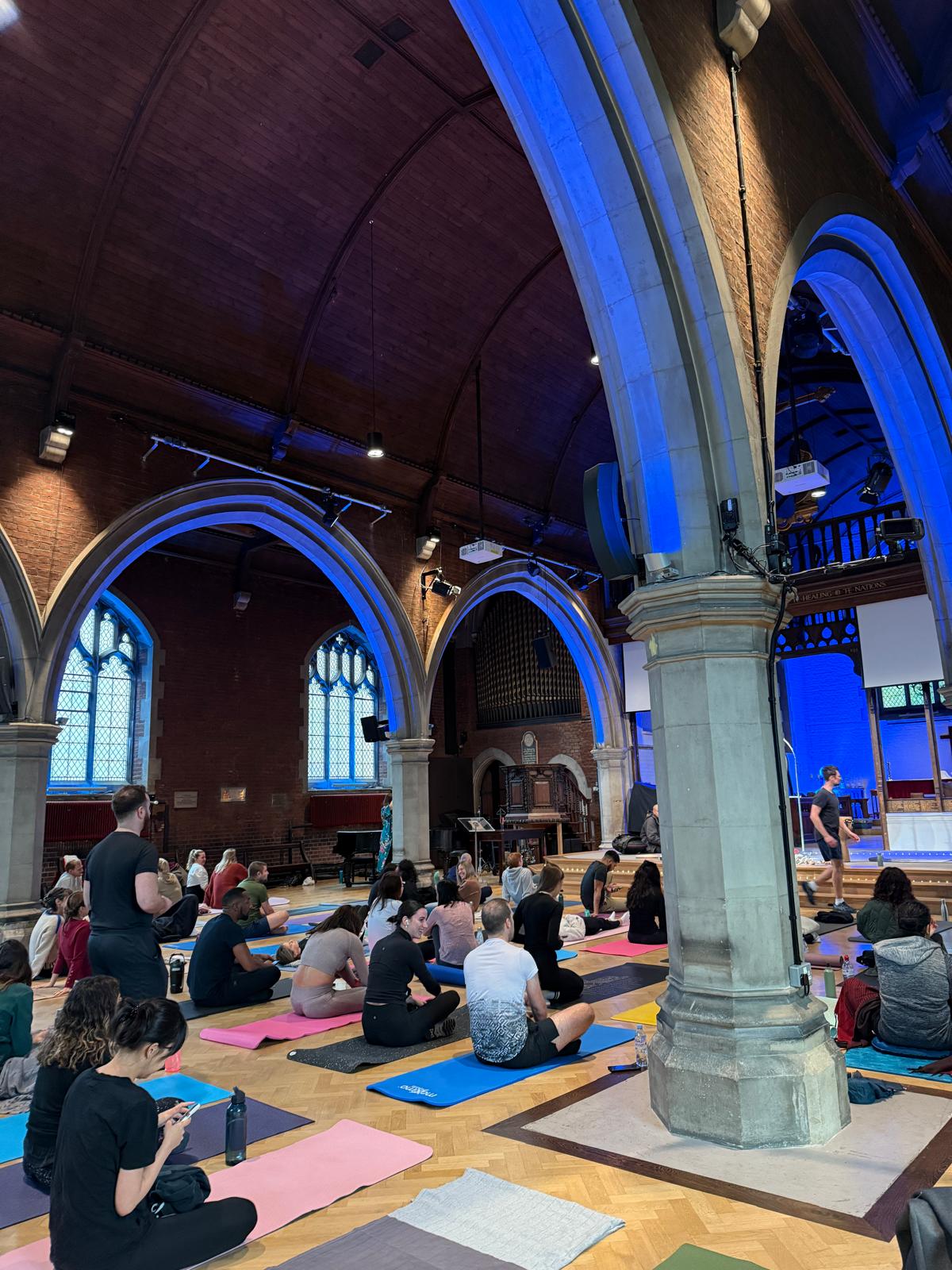
For a smaller workshop or community gathering, the BOST Community Space at The Old Library in Southwark can accommodate up to 16 guests. It offers flexible seating with foldable tables and chairs, as well as Wi-Fi and audio-visual options on request. View the BOST Community Space and enquire about booking.

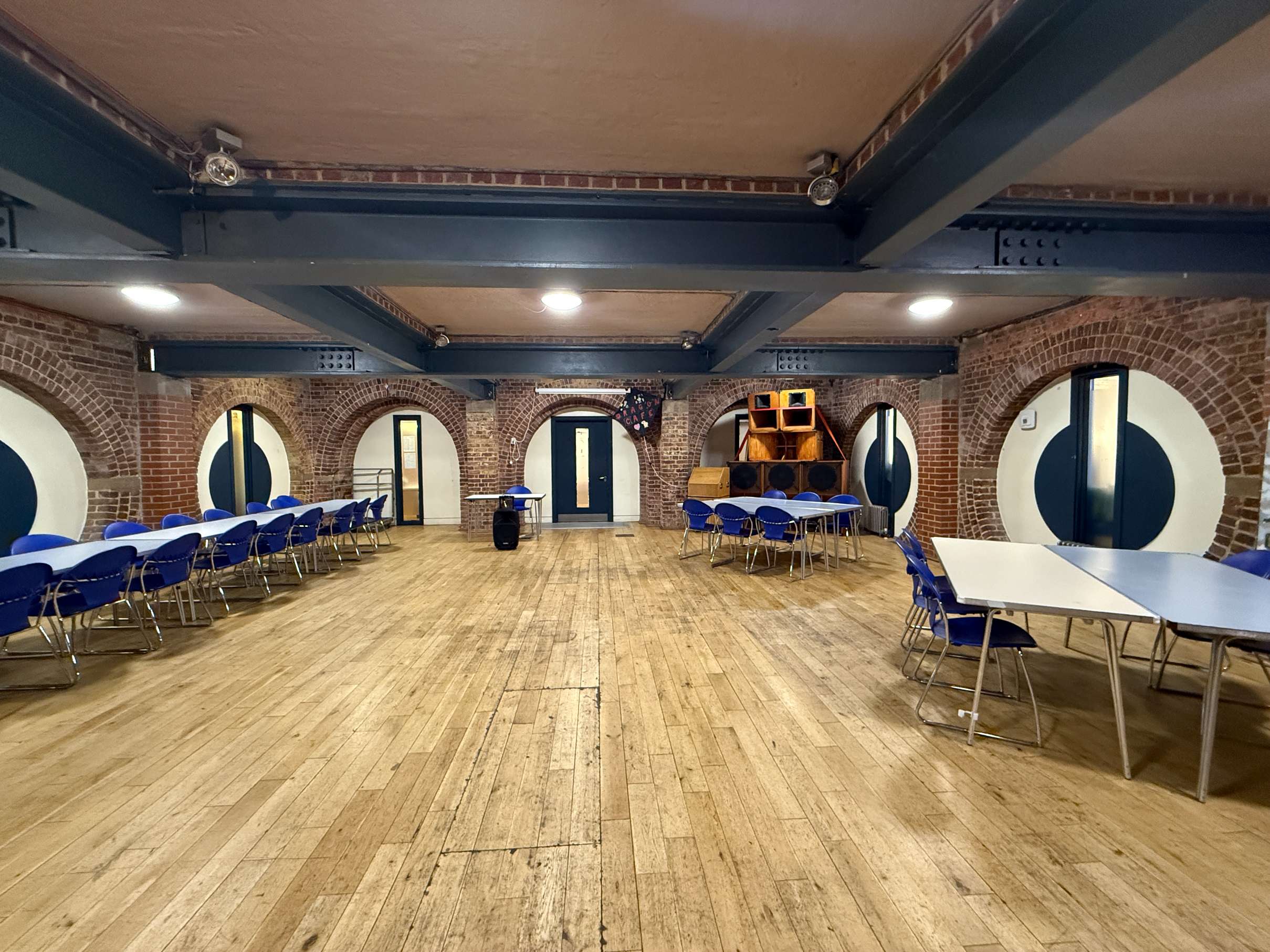
Another option for smaller creative or practical sessions is The Studio at Anomalous Space. Accommodating up to 15 guests, it provides a flexible blank-canvas environment with natural light, Wi-Fi, and large tables. View The Studio at Anomalous Space and check the booking details.

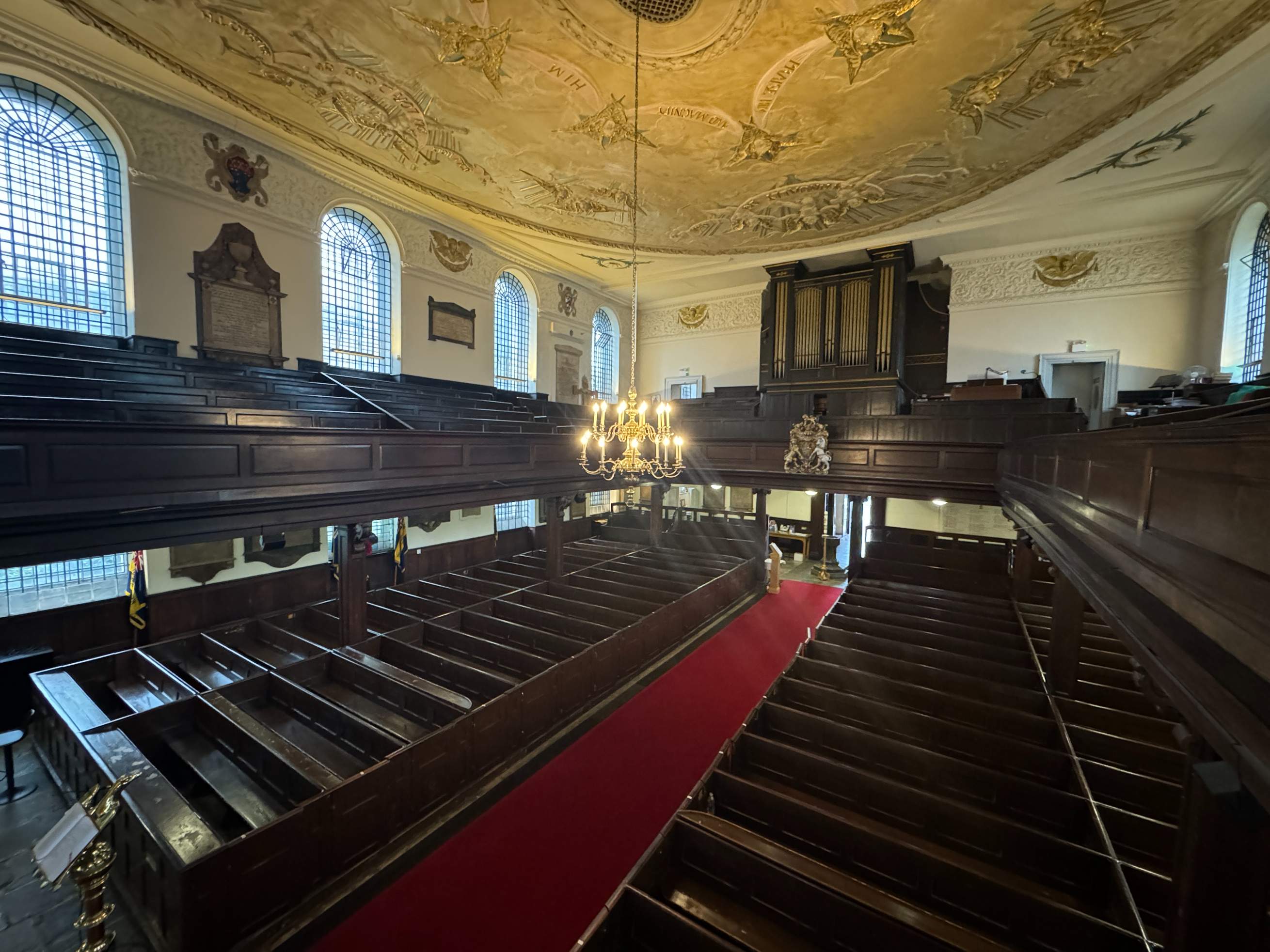
If you are planning a larger event or a creative workshop where distinctive surroundings and sound setup matter, The Gulbenkian at ISH Venues can accommodate up to 100 guests. It features natural light, Wi-Fi, and comprehensive audio-visual facilities including a projector, screen, speakers, and microphone. View The Gulbenkian and enquire about booking the space.

The important thing is to check the individual listing and ask the venue about its current noise, music and closing-time requirements before confirming your booking.

Plan Your Event Around the Venue Curfew

Once you know the venue's curfew, build your event timetable around it. Do not plan for the last song to finish exactly when the venue is supposed to close.

For example, if music must finish at 10.30pm and the venue closes at 11pm, allow time for guests to finish conversations, collect their belongings and leave. If you are hiring a DJ or live band, tell them the exact music finish time before the event starts.

You should also consider setup and pack-down. If your booking finishes at 11pm, you may not automatically have an extra hour to remove decorations or equipment. Ask the venue whether setup and clear-up time are included in your booking.

For larger events, it can also be useful to have someone responsible for monitoring sound levels. Event noise guidance recommends active monitoring and appropriate noise management, particularly for larger events.

Good planning can make the event more enjoyable for everyone while also helping you respect the people who live or work near the venue.

Find the Right Event Space with Conveenie

Understanding venue noise restrictions in London is an important part of choosing an event space. A venue may look perfect online, but its music curfew, sound restrictions, outdoor rules or closing time could affect whether it is right for your event.

Before booking, ask about the event venue curfew, music rules, sound limits, outdoor areas, entertainment permissions and the time guests need to leave. These questions are especially important for parties, live music, performances and evening celebrations.

With Conveenie, you can explore different venue hire options in London and find spaces suited to meetings, community events, parties, performances, workshops and more. Once you find a suitable venue, check the listing carefully and contact the venue to confirm its current rules before making your booking.

If you are planning an event with music or entertainment, start your search on Conveenie and find a venue that fits your event, your guests and your planned schedule.


Related Articles

  • blog-img

    Community Cinema and Film Screening Venues in London

    A film night can bring a neighbourhood together in a way that few other community events can. It might be a monthly film club, a documentary followed by a discussion, a short film festival showcasing local talent or a family-friendly screening organised by a community group. Whatever the idea, choosing the right room is an important part of making the event work.

    Finding film screening venue hire in London does not mean you have to book a traditional cinema. A community hall, lecture room or flexible event space could be a good alternative if it has the right layout and audio-visual facilities. Through Conveenie, organisers can compare different types of spaces across London and filter for features such as a projector, screen, sound equipment, flexible seating, and kitchen facilities. This search capability is especially valuable for film clubs and community groups operating with support from national cinema bodies—such as the Independent Cinema Office (ICO), Cinema For All, or the BFI Film Audience Network (FAN)—who need to easily discover and secure spaces that meet technical, accessibility, and screening criteria.

    What Makes a Good Venue for a Film Screening?

    The first thing to consider is the type of screening you are organising. A documentary followed by a question-and-answer session needs a slightly different setup from a monthly film club or a short film festival. For a documentary screening, you may need space for a speaker and microphones after the film. A film club may need comfortable seating and room for refreshments, while a festival could require a larger space with a clear viewing area.

    Picture quality and sound should be high on your checklist. Look for a venue with a projector and screen, or check whether you can bring your own equipment. Ask about the projector's connections, supported formats, screen size and the distance between the projector and screen. It is also worth checking whether speakers are included, whether you can connect a laptop and whether a microphone is available for introductions or audience questions.

    Lighting is another detail that is easy to overlook. A room with large windows may be bright and welcoming for a daytime workshop, but unwanted light can make a film difficult to see. If you are looking for a blackout-friendly room for film screenings, ask whether curtains or blinds are available and whether the room can be darkened sufficiently. Do not assume that a venue with a projector automatically has suitable lighting for cinema-style viewing.

    Community Halls and Screening Spaces to Explore on Conveenie

    A community cinema does not always need a specialist screening room. Depending on your audience and budget, a local hall with suitable audio-visual equipment may be enough. Conveenie has several spaces worth exploring for different types of screenings, although you should confirm that film exhibition is permitted before booking. Cinema For All members can also draw on equipment hire schemes and coaching advice when adapting flexible community spaces for projection.

    For a smaller community film night, Scout House Main Hall has a projector and screen, a stage, Wi-Fi, kitchen facilities and flexible seating. This combination could be useful for a local film club that wants to arrange seats for a screening and then use the space for refreshments or a discussion. Check the current capacity, seating arrangement and lighting conditions with the host.

    For a documentary screening with a discussion afterwards, The Forum at Your Space in Deptford has facilities including a projector and screen, speakers, a TV and presentation equipment. The flexible room setup could be worth considering for a small screening followed by a Q&A, the host confirms that your proposed film event is allowed.

    If you are planning a larger screening or a short film festival, The Lecture Room at Thames Reach Employment Academy is another option to investigate.This may be useful for organisers expecting a larger audience, but you should check the current seating layout, equipment availability and any deposit or booking conditions before making a decision.

    For a truly authentic cinematic atmosphere, the Cinema Museum venue in Elephant and Castle provides a historic film setting packed with cinema memorabilia and classic screening facilities, making it ideal for unique community film nights and special screenings.

    These examples show why it helps to compare more than the venue name or hourly price. The best community cinema venue will depend on the number of people attending, the type of film, the equipment you need and whether you want to hold a discussion or social gathering afterwards.

    Film Screening Licences: What Organisers Need to Know

    One important part of planning a film night is checking permissions. Hiring a hall and having a copy of a film does not automatically give you the right to show it to an audience. According to GOV.UK guidance on showing films and TV programmes in public, permission may be required even when you do not charge for tickets. Film clubs and community cinema events are included in this guidance.

    You may need permission from the copyright owner or an authorised licensing organisation. The Independent Cinema Office's guide to film licensing explains the difference between film copyright permission and premises licensing. These are separate issues, so having one does not automatically cover the other. Groups affiliated with Cinema For All can also take advantage of booking schemes and advisory support to navigate non-theatrical copyright licensing efficiently.

    There are specific exceptions for some non-profit screenings in community premises. Under the current government guidance, certain screenings may not require a premises licence if they meet the relevant conditions, including the permitted hours, audience limit, consent from the person responsible for the premises and film age-rating requirements. However, this does not remove the need to check copyright permission for the film itself. Requirements can depend on the venue and the way the event is organised, so check with the venue host and your local council before advertising the screening.

    If you plan to show a documentary, a commercially released film or a selection of short films, confirm the relevant permissions before finalising your programme. It is much easier to sort this out early than to discover that your chosen title cannot be shown at the event.

    Keeping Your Film Night Affordable and Comfortable

    For a monthly film club, affordability is often just as important as the equipment. Hourly venue hire can give community organisers flexibility, but remember to include the time needed to set up the screen, test the sound, welcome guests and clear the room afterwards. Ask whether the venue offers recurring bookings or whether the price changes for evening or weekend use.

    It is also worth checking what the hire fee includes. A projector may be available, but cables, speakers, microphones or technical support might need to be arranged separately. If you are planning a Q&A, make sure the room has enough microphones and that the audience can hear both the speaker and questions from the floor. For a short film festival, check whether you can switch between different files and formats without delays.

    Comfort matters too. Consider the number of seats, the viewing angle, ventilation, accessible entry and toilet facilities. If you plan to serve tea, coffee or snacks, ask whether the venue allows refreshments and whether you can use its kitchen. For community events, these small details can help make the screening welcoming to people of different ages and access needs.

    Conveenie's venue search allows organisers to compare spaces and look for listed facilities such as projectors and screens, sound systems, microphones, and kitchens. BFI Film Audience Network (FAN) members and regional exhibitors can use these search tools to locate affordable, well-equipped local hubs across London to expand audience reach and maximize project funding impact. Use these filters as a starting point, then confirm the details directly with the host, especially if your event depends on particular technical requirements.

    How to Find the Right Film Screening Venue in London

    Before booking, write down your audience size, preferred location, budget, screening format and equipment needs. Decide whether you need a room that can be darkened, space for a speaker, refreshments or a flexible layout for a discussion after the film. If you are planning a recurring film club, also check that the venue can accommodate your preferred dates over the coming months.

    For organisers wondering where to hire a venue for a documentary screening and Q&A, a flexible community hall or meeting space may be a practical starting point. A small group may need only a compact room and reliable sound, while a larger community screening could require more seating and a dedicated projection setup. The right choice is the one that supports your event without making you pay for facilities you will not use.

    Whether you are setting up a local film club, planning a documentary night or organising a short film festival in South London, Conveenie can help you explore spaces across the city and compare their listed facilities before making an enquiry.


    Resources for Community Cinema Organisers

    National cinema organisations offer vital guidance, funding, and licensing support to independent exhibitors and community film groups across the UK. Using Conveenie alongside these resources helps member groups quickly locate and book suitable venues tailored to their specific event requirements:

    • Independent Cinema Office (ICO): Offers national support for independent cinemas and community screening ventures, providing advice on film licensing, film programming, and event management. Members can use Conveenie to source blackout-ready or AV-equipped venues tailored to ICO-recommended screening standards.
    • Cinema For All: The national development agency for community cinema and film societies, offering equipment schemes, coaching, and movie licensing support for community groups. Their members can leverage Conveenie's venue filters to find accessible community halls with built-in screens or flexible layouts for portable projection kits.
    • BFI Film Audience Network (FAN): Supported by the British Film Institute to help regional film exhibitors and community organisers reach larger audiences and secure project funding. FAN members can utilize Conveenie to seamlessly discover and compare affordable spaces across London to expand their reach and community impact.


    • Oct 29, 2026
  • blog-img

    Event Timeline Templates Every Planner Should Use

    Planning an event can involve many different things. You may need to find a venue, invite guests, arrange food, contact suppliers and prepare everything for the day.

    With so many things to remember, it can be easy to forget something.

    An event timeline is a simple way to keep everything organised. It shows what needs to be done and when you need to do it.

    You do not need a complicated timeline. A simple list of tasks and dates can be enough.

    1. Start With the Event Date

    The first thing to add to your timeline is the date of the event.

    Once you know the date, you can work backwards and decide when the other tasks need to be completed.

    You can start with the main things, such as deciding your budget, guest numbers and finding a suitable venue for hire.

    If you are not sure what type of space you need, it can help to read a guide to choosing the perfect space for your event before making a decision.

    2. Three Months Before the Event

    If you have around three months before your event, start with the bigger decisions.

    Think about the type of event you are planning, how many people you expect and how much you want to spend.

    This is also a good time to start looking for your venue. You can browse different event spaces on Conveenie and compare them based on location, size and facilities.

    Booking the venue early can also give you more time to organise the other parts of your event.

    3. Two Months Before

    Once you have chosen your venue, you can start working on the next steps.

    This could include sending invitations, contacting suppliers and planning food and activities.

    If you are organising a meeting, workshop or business event, you may also want to check that the venue has the facilities you need, such as tables, chairs, Wi-Fi and presentation equipment.

    You can also read about the different uses of community spaces if you are looking for ideas for your event.

    4. One Month Before

    By this stage, most of the main decisions should be made.

    You can start confirming your guest numbers and checking arrangements with suppliers.

    It is also a good time to look again at your venue hire booking. Check the date, time, number of guests and what is included.

    If you are using Conveenie, you can also check the details of your booking and contact the host if you have any questions about the space. Conveenie allows guests to message hosts about specific requirements or arrange a visit before booking.

    5. One Week Before

    The final week is mainly about checking that everything is ready.

    Go through your event timeline and tick off the things that have already been completed.

    You can confirm the venue, suppliers, food and equipment. You can also prepare things such as signs, name tags, decorations and printed information.

    Try to finish as much as possible before the event day so you are not rushing at the last minute.

    6. On the Day

    Your timeline should also include the actual event day.

    For example:

    • 9:00 am – Arrive at the venue
    • 9:30 am – Set up tables and chairs
    • 10:30 am – Guests arrive
    • 11:00 am – Event starts
    • 1:00 pm – Food or break
    • 3:00 pm – Event finishes
    • 3:30 pm – Clean up

    Your timings will depend on your event, but having everything written down can help you stay organised.

    If you have booked a space through Conveenie, make sure the time you have access to the venue is included in your timeline.

    7. After the Event

    Your timeline should not stop when the guests leave.

    You may still need to clean the space, return equipment or check that nothing has been left behind.

    If you have hired a venue through Conveenie, check the host's requirements before leaving. Some venues may have specific cleaning or closing arrangements.

    It can also be useful to spend a few minutes thinking about what went well and what you would change next time.

    Simple Event Timeline Template

    Here is a simple timeline that you can use as a starting point:

    Time Task
    3 months before Decide the event, budget and venue
    2 months before Send invitations and contact suppliers
    1 month before Confirm main arrangements
    2 weeks before Check guests, venue and equipment
    1 week before Confirm final details
    Day before Prepare materials and decorations
    Event day Set up and run the event
    After the event Clean up and check the venue

    You can change this depending on the type and size of your event.

    An event timeline does not need to be complicated.

    A simple list of tasks and dates can help you remember what needs to be done and give you a better idea of how much time you have.

    Start with the important things, such as your date, budget and venue booking, and then work through the smaller details.

    The more you prepare before the event, the easier it can be to manage things on the day.

    And if you are still looking for the right space, Conveenie makes it possible to search and compare different community spaces, meeting rooms and event venues in one place.


    • Aug 21, 2026
  • blog-img

    How to Book a Church Hall for Your Next Community Event

    When planning a community event, finding the right venue is crucial to its success. If you're looking for a spacious, affordable, and flexible venue, renting a church hall might be the perfect option. Whether it's for a community meeting, a wedding, or a party, church halls provide a welcoming and functional space for a variety of events. But how do you go about booking a church hall? In this guide, we’ll show you how to rent a church hall for your event, and why Conveenie is the best place to do so.

    Step-by-Step Guide to Renting a Church Hall for an Event

    Renting a church hall for an event can be a straightforward process if you follow these simple steps. Here's how you can book your next community event venue through Conveenie:

    1. Determine Your Event’s Requirements

    Before you start your search for the perfect church hall venue, it's important to define the specifics of your event:

    • Capacity: How many guests are you expecting? Church halls come in various sizes, so you’ll need to consider the space you need.
    • Facilities: Does your event require a stage, kitchen, or audiovisual setup? Many church halls for hire come with different amenities.
    • Event Type: Are you hosting a community event, wedding, meeting, or party? Conveenie offers a variety of church halls that cater to different event types.
       

    2. Use Conveenie to Search for Church Halls

    Now that you’ve figured out your event's requirements, the next step is to search for a venue. Conveenie offers an easy-to-use platform for booking church halls for events, making the process smooth and efficient. You can search for venues based on:

    • Location: Find the best church halls for rent near your area or in a specific location.
    • Availability: Check real-time availability of venues and book your church hall directly through Conveenie.
    • Amenities: Filter your search by specific requirements such as kitchen facilities, AV equipment, or parking spaces.
       

    3. Check Rental Costs

    Conveenie provides transparent pricing for church hall rentals, so you can easily compare options. Many churches offer affordable church hall rentals for community events, and Conveenie gives you the flexibility to choose a hall that fits your budget. If you're hosting a non-profit community event, you can also inquire about discounted rates or special offers through Conveenie’s platform.


    Why Choose Conveenie for Booking Your Church Hall?

    Conveenie is the perfect platform for finding and booking church halls for events for several reasons:

    Convenience and Efficiency

    Conveenie allows you to search, compare, and book a church hall in just a few simple steps. You don’t have to spend time calling around or visiting multiple churches. With Conveenie, you can do everything online, saving you both time and effort.

    Wide Selection of Church Halls

    Whether you're looking for a church hall for a wedding, community gathering, or party, Conveenie has a variety of church venues to choose from. You can find the ideal location for any type of event, all within one platform.

    Affordable Rental Options

    Conveenie is committed to providing affordable church hall rentals for community events. The platform lets you filter search results based on your budget, ensuring you find the best venue at a price you can afford. Many church halls also offer discounts for non-profit groups, which can help lower costs for your event.

    Detailed Information and Reviews

    When you book through Conveenie, you get access to detailed information about each church hall. You can review the facilities, view photos of the space, check customer reviews, and even ask questions to the venue administrators directly.


    What to Know Before Booking a Church Hall for a Community Event

    Before you confirm your church hall booking, here are some important things to consider:

    • Accessibility: Ensure the venue is accessible to all your guests, including those with mobility issues. Many churches have ramps or lifts for easy access.
    • Parking: Some church halls provide ample parking, while others may have limited space. Check the availability of parking and public transportation options.
    • Event Guidelines: Churches often have rules regarding noise levels, decorations, or the consumption of alcohol. Make sure you’re aware of these guidelines before booking.
    • Insurance and Deposits: Some venues may require event insurance or a deposit to secure the booking. Ensure you know the requirements ahead of time.
    • Cleanup: Confirm who is responsible for cleaning the venue after the event. Some churches include cleaning in the rental fee, while others may expect you to arrange it yourself.


    Affordable Church Hall Rentals for Community Events

    One of the key advantages of renting a church hall for an event is the affordability. Church halls are often a more cost-effective option compared to commercial venues, especially for community groups and non-profit organisations. Through Conveenie, you can easily find affordable church hall rentals that fit within your budget.

    • Discounts for Non-Profits: If you’re organizing a non-profit community event, many churches offer discounted rates. Conveenie allows you to search for these options.
    • Flexible Rental Periods: Depending on your event, Conveenie offers flexible booking options for hourly, daily, or even multi-day rentals.

    How Much Does it Cost to Rent a Church Hall for an Event?

    The cost of renting a church hall can vary depending on several factors:

    • Location: Venues in more central or popular areas tend to have higher rental fees.
    • Size and Capacity: Larger halls that can accommodate more guests generally cost more.
    • Event Type: Special events, like weddings or parties, may incur higher rental fees due to additional requirements, such as catering facilities or extended hours.
       

    Conclusion: Rent a Church Hall for Your Community Event with Conveenie

    In conclusion, renting a church hall for your next community event is an excellent choice for creating a welcoming, affordable, and functional venue. Conveenie makes it easy to find and book the perfect church hall for any event, from community meetings to weddings and everything in between. By using Conveenie’s platform, you can save time, compare venues, and book with confidence all while staying within your budget.

    • Feb 4, 2026

We value your privacy

By clicking “Accept All Cookies”, you agree to the storing of cookies on your device to enhance site navigation, analyse site usage, and assist in our marketing efforts.​

To get more information about these cookies and the processing of your personal data, please see our Cookie policy & Privacy policy.