
blog-img
Dated:Aug 13, 2026

5 Things That Can Help Your Community Hall Attract More Corporate Bookings

When we think about community halls, we usually imagine birthday parties, family gatherings or local events. But these spaces can work just as well for businesses. A company might need somewhere for a team meeting, a training session, a workshop or a small business event and a well-set-up hall can cover all of that.

For a venue owner, this is a practical way to make use of the space during quieter weekday hours. You don't need to turn your community hall into a conference centre. A few useful facilities and clear listing information are often enough to make the space work for business bookings too.

Wi-Fi 

A reliable internet connection matters for most meetings. People may need to join an online call, pull up documents, share something with the group, or stay in touch with colleagues who aren't in the room.

If your venue has Wi-Fi, make sure this is clearly mentioned when you list your space on Conveenie. It's also worth checking the connection is working properly before a booking starts, rather than finding out mid-meeting.

Presentations

A meeting may include a presentation, training session or group discussion, so having a screen, TV or projector is genuinely useful.

You don't need expensive equipment, even a basic screen with the right connections can make the room far more usable. If you have HDMI, USB-C or similar available, include these details in your Conveenie venue information. It helps someone comparing meeting spaces decide whether your hall will actually work for them.

Seating

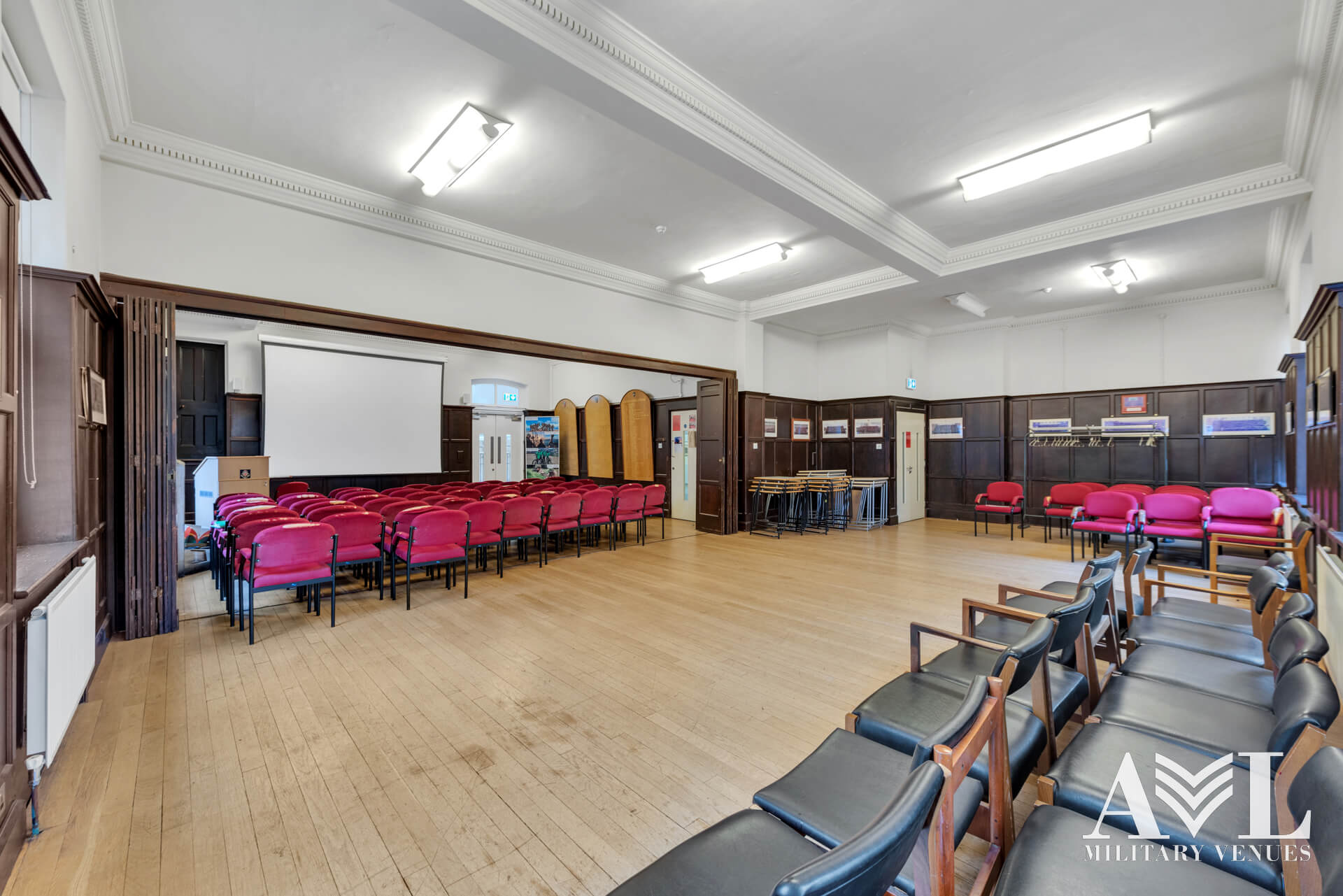
Different events need different room arrangements. A small team meeting might work best with everyone around one table, while a training session usually needs rows or a horseshoe facing the front.

If your tables and chairs can be moved, say so. Photos showing the room set up a couple of different ways help too — when someone is searching for a venue on Conveenie, seeing how flexible the space is often matters more than a single photo of an empty room.

Small facilities are still important

A few simple facilities can make a business booking noticeably more comfortable: a kitchen, tea and coffee, drinking water, or room for outside catering — especially for meetings running several hours.

Parking and public transport links are worth mentioning too. Business organisers often have people travelling from several different areas, so knowing how easy the venue is to reach can be part of what decides a booking.

When updating your Conveenie listing, include the basics as well capacity, toilets, accessibility, available equipment, booking hours and any restrictions. The more of this a booker can find upfront, the fewer questions (and the less back-and-forth) you'll get before they commit.

The room itself matters

A business doesn't always need a fancy venue. A clean, comfortable, reasonably quiet room is enough for most meetings and training sessions.

If your hall is quieter on weekday mornings or afternoons, consider opening those slots up for corporate bookings it's a good way to fill time that might otherwise go unused.

Photos help here too. If your hall is mostly shown with party decorations up, add a few photos with a simple meeting setup instead. It makes it much easier for a business customer to picture their own event in the space.

These aren't corporate venues by design they're ordinary community halls that keep their listings clear and their facilities well maintained, which is exactly what makes them easy for a business organiser to say yes.

Why consider corporate bookings?

Corporate bookings suit community halls well because businesses tend to need venues during normal working hours. A hall busy with parties at weekends may still have plenty of free time on weekday mornings or afternoons.

You can use Conveenie to explore available spaces and compare venues against your event's requirements. For venue owners, keeping your listing accurate and up to date, with photos that reflect how the space can genuinely be used, makes it easier for the right customers to find you.

A community hall doesn't need to become a dedicated business centre to host a good meeting. If the space is suitable and the key information is easy to find, it can be a genuinely practical option for a local business, team or organisation.

Related Articles

  • blog-img

    Hire a Room or Hire the Whole Venue? Which is Better?

    When planning an event, one of the key decisions you'll face is whether to hire a room or hire the whole venue. This choice can significantly impact the success of your event, and making the right decision depends on several factors. So the venue experts here at Conveenie have put their heads together and below we'll explore the benefits and considerations of each option to help you determine which is better for your needs.


    Benefits of Hiring a Room

    1. Cost-Effective: Hiring a room is typically more budget-friendly than hiring an entire venue. This is especially beneficial for small to medium-sized events where you don't need a large space.

    2. Intimacy: For smaller gatherings, such as business meetings, workshops, or intimate parties, a single room can create a more personal and focused atmosphere.

    3. Less Planning: When you hire a room, you often have fewer logistics to manage. The venue staff typically handles the setup, catering, and cleaning (as additional extras), allowing you to focus on your event.


    Considerations for Hiring a Room

    1. Limited Space: A room may not offer enough space for larger events or activities that require more room, such as team-building exercises or large-scale presentations.

    2. Shared Facilities: When hiring a room, you'll likely share common areas, such as restrooms and hallways, with other groups. This can lead to distractions or a lack of privacy.

    3. Restrictions: Some venues impose restrictions on decorating, catering, and event timing when you hire a room, which could limit your event's customization and flexibility.


    Benefits of Hiring the Whole Venue

    1. Exclusive Use: Hiring the entire venue gives you complete control over the space. This exclusivity is ideal for high-profile events, weddings, or corporate retreats where privacy and a unique ambiance are crucial.

    2. Flexibility: With the whole venue at your disposal, you have the freedom to design the space to your exact specifications, whether that means rearranging furniture, setting up multiple rooms for different activities, or bringing in specialised equipment.

    3. Enhanced Experience: For large gatherings, hiring the whole venue ensures that all attendees can comfortably participate in the event without feeling cramped. It also allows for seamless transitions between different event segments.


    Considerations for Hiring the Whole Venue

    1. Higher Costs: The primary drawback of hiring the entire venue is the cost. This option is generally more expensive and may not be feasible for smaller budgets.

    2. More Planning Required: With more space comes more responsibility. Hiring the whole venue often requires more extensive planning, coordination with vendors, and management of additional logistics.

    3. Unused Space: For smaller events, hiring the entire venue might result in a lot of unused space, making it seem empty and less inviting.

    Conclusion

    Ultimately, whether you should hire a room or the whole venue depends on the size and nature of your event, your budget, and the level of control you desire. For intimate gatherings or budget-conscious events, hiring a room is often the best choice. However, for large-scale events where privacy, flexibility, and a tailored experience are paramount, hiring the whole venue is likely the better option.

    Consider your event's specific needs and weigh the pros and cons of each option to make the best decision. At Conveenie, we offer a range of venues and rooms for hire, to suit every occasion, ensuring your event is a success no matter what choice you make.

    • Jul 10, 2024
  • blog-img

    Top 5 Trendy Party Venues for hire for 2025

    Looking for the perfect spot to host your next big celebration? As we move into spring 2025, the trends in party venue hire are all about unique experiences, stunning settings, and modern amenities. Whether you’re planning a birthday bash, an anniversary, or a corporate party, we’ve got you covered. Here’s our list of the top 5 trendy party venues for hire for 2025.

    1. Fire Mirror Arch, Vauxhall Arches

    Located in the heart of Vauxhall, Fire Mirror Arch offers a chic, industrial vibe that’s perfect for modern celebrations. With its high ceilings, exposed brick walls, and great location, it’s a top choice for those seeking a stylish party venue hire.

    2. The Garden, Exhibit

    For a touch of nature in your party, The Garden, Exhibit is an enchanting outdoor/indoor venue surrounded by lush greenery and blooming flowers. Ideal for daytime parties and evening soirees, this venue brings a magical touch to any event.

    3. The Old Street Gallery

    Host your event surrounded by stunning works of art at The Old Street Gallery. This venue offers a creative and inspiring setting, perfect for artistic souls and those looking for a unique party venue hire. It’s ideal for cocktail parties, receptions, and exclusive gatherings.

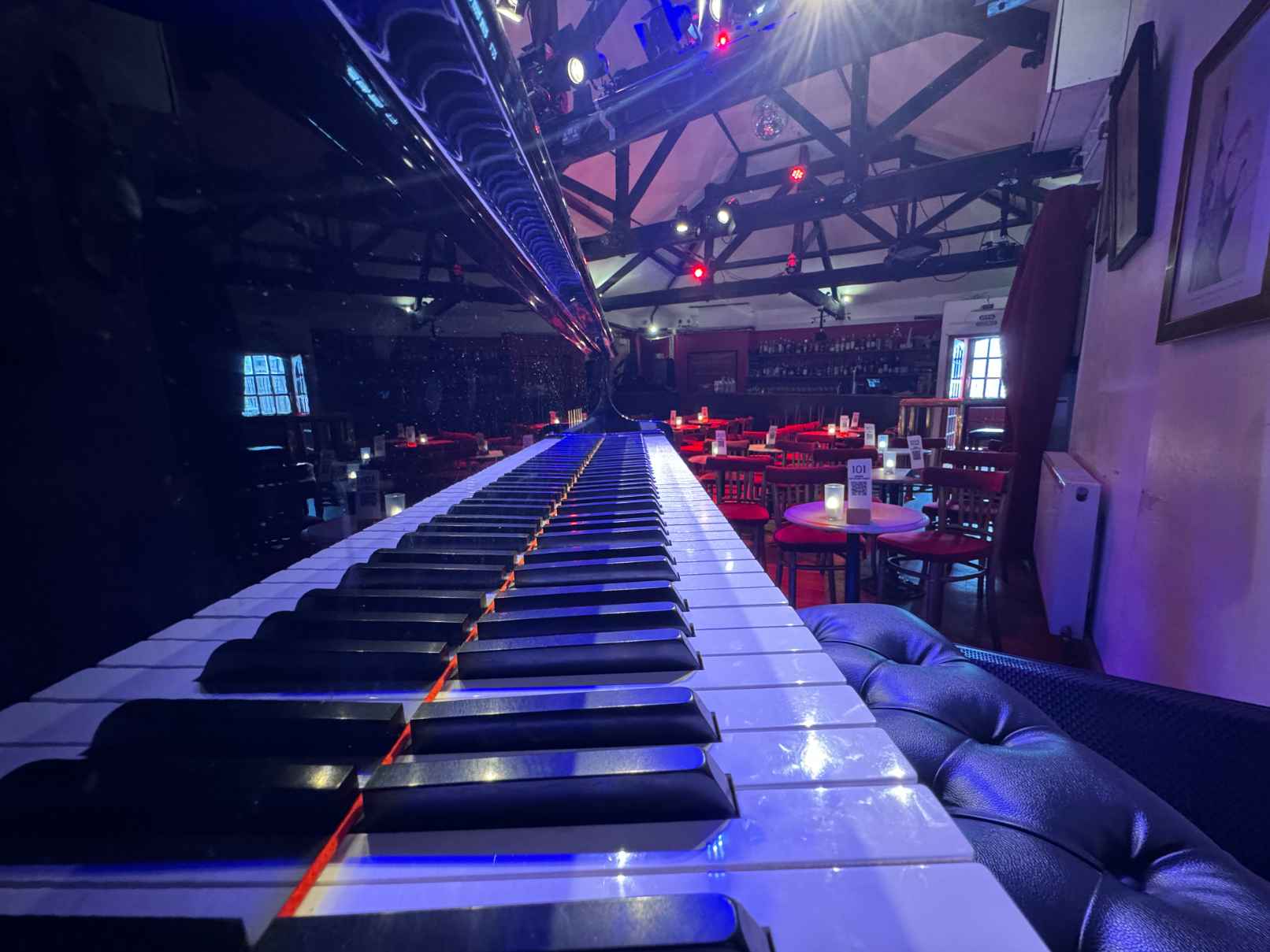
    4. Jazz & Cabaret Club, Toulouse Lautrec Jazz Club

    Toulouse Lautrec Jazz Club combines rustic charm with modern design. Its spacious, open layout is perfect for large parties, offering plenty of room for dancing, dining, and mingling. It’s a versatile space that can be customised to fit any theme.

    5. Main café, Crol and Co South Bermondsey

    Main café, Crol and Co South Bermondsey is a cosy and inviting space in South London. With art lining the walls and enough space for 50 people it makes the perfect venue for a unique gathering.

    Choosing the right venue is the first step to hosting an unforgettable party. At Conveenie, we make party venue hire easy with our comprehensive listings and user reviews. Start your search today and find the perfect trendy venue for your 2024 celebration!

    • Jul 28, 2024
  • blog-img

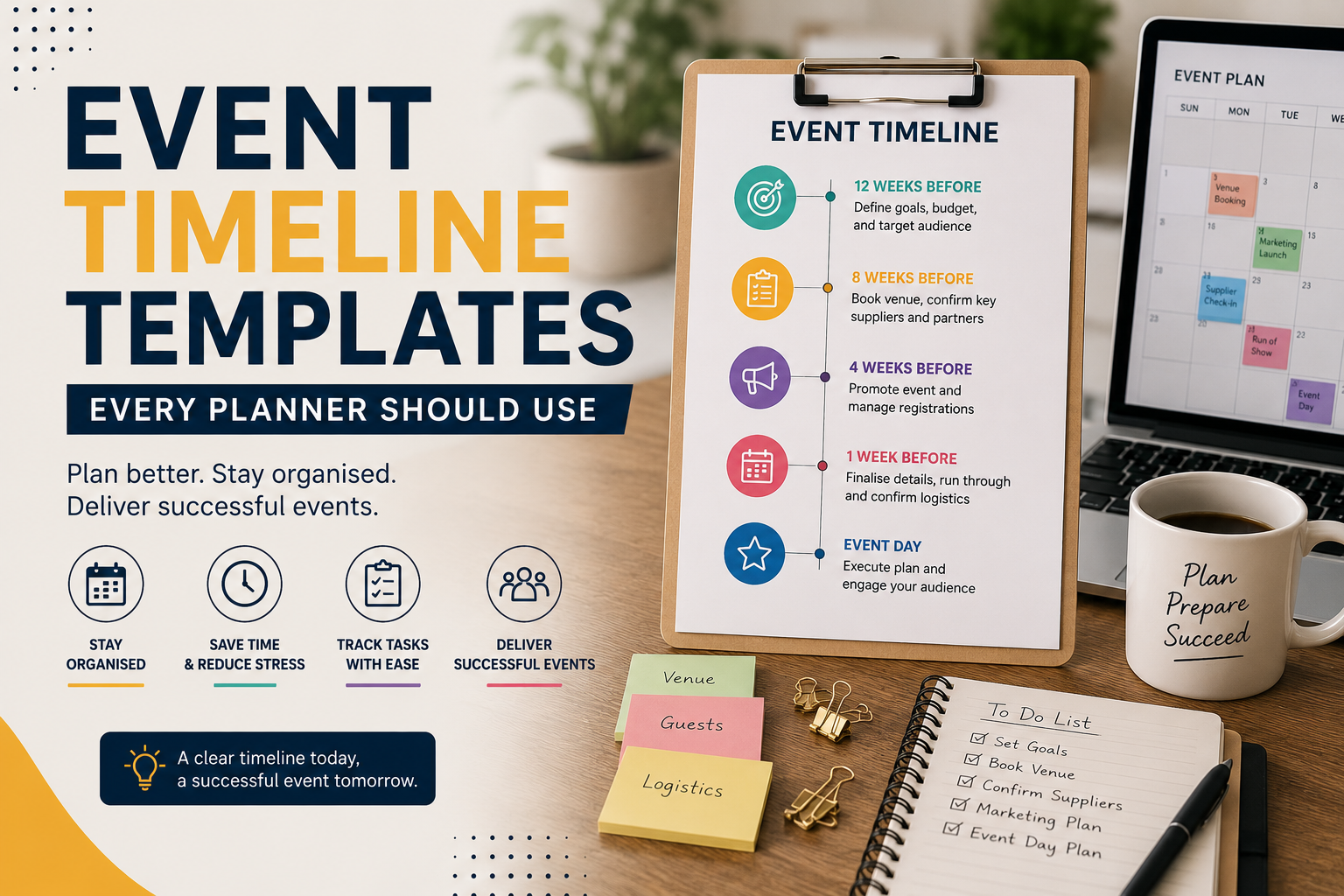
    Event Timeline Templates Every Planner Should Use

    Planning an event can involve many different things. You may need to find a venue, invite guests, arrange food, contact suppliers and prepare everything for the day.

    With so many things to remember, it can be easy to forget something.

    An event timeline is a simple way to keep everything organised. It shows what needs to be done and when you need to do it.

    You do not need a complicated timeline. A simple list of tasks and dates can be enough.

    1. Start With the Event Date

    The first thing to add to your timeline is the date of the event.

    Once you know the date, you can work backwards and decide when the other tasks need to be completed.

    You can start with the main things, such as deciding your budget, guest numbers and finding a suitable venue for hire.

    If you are not sure what type of space you need, it can help to read a guide to choosing the perfect space for your event before making a decision.

    2. Three Months Before the Event

    If you have around three months before your event, start with the bigger decisions.

    Think about the type of event you are planning, how many people you expect and how much you want to spend.

    This is also a good time to start looking for your venue. You can browse different event spaces on Conveenie and compare them based on location, size and facilities.

    Booking the venue early can also give you more time to organise the other parts of your event.

    3. Two Months Before

    Once you have chosen your venue, you can start working on the next steps.

    This could include sending invitations, contacting suppliers and planning food and activities.

    If you are organising a meeting, workshop or business event, you may also want to check that the venue has the facilities you need, such as tables, chairs, Wi-Fi and presentation equipment.

    You can also read about the different uses of community spaces if you are looking for ideas for your event.

    4. One Month Before

    By this stage, most of the main decisions should be made.

    You can start confirming your guest numbers and checking arrangements with suppliers.

    It is also a good time to look again at your venue hire booking. Check the date, time, number of guests and what is included.

    If you are using Conveenie, you can also check the details of your booking and contact the host if you have any questions about the space. Conveenie allows guests to message hosts about specific requirements or arrange a visit before booking.

    5. One Week Before

    The final week is mainly about checking that everything is ready.

    Go through your event timeline and tick off the things that have already been completed.

    You can confirm the venue, suppliers, food and equipment. You can also prepare things such as signs, name tags, decorations and printed information.

    Try to finish as much as possible before the event day so you are not rushing at the last minute.

    6. On the Day

    Your timeline should also include the actual event day.

    For example:

    • 9:00 am – Arrive at the venue
    • 9:30 am – Set up tables and chairs
    • 10:30 am – Guests arrive
    • 11:00 am – Event starts
    • 1:00 pm – Food or break
    • 3:00 pm – Event finishes
    • 3:30 pm – Clean up

    Your timings will depend on your event, but having everything written down can help you stay organised.

    If you have booked a space through Conveenie, make sure the time you have access to the venue is included in your timeline.

    7. After the Event

    Your timeline should not stop when the guests leave.

    You may still need to clean the space, return equipment or check that nothing has been left behind.

    If you have hired a venue through Conveenie, check the host's requirements before leaving. Some venues may have specific cleaning or closing arrangements.

    It can also be useful to spend a few minutes thinking about what went well and what you would change next time.

    Simple Event Timeline Template

    Here is a simple timeline that you can use as a starting point:

    Time Task
    3 months before Decide the event, budget and venue
    2 months before Send invitations and contact suppliers
    1 month before Confirm main arrangements
    2 weeks before Check guests, venue and equipment
    1 week before Confirm final details
    Day before Prepare materials and decorations
    Event day Set up and run the event
    After the event Clean up and check the venue

    You can change this depending on the type and size of your event.

    An event timeline does not need to be complicated.

    A simple list of tasks and dates can help you remember what needs to be done and give you a better idea of how much time you have.

    Start with the important things, such as your date, budget and venue booking, and then work through the smaller details.

    The more you prepare before the event, the easier it can be to manage things on the day.

    And if you are still looking for the right space, Conveenie makes it possible to search and compare different community spaces, meeting rooms and event venues in one place.


    • Aug 21, 2026

We value your privacy

By clicking “Accept All Cookies”, you agree to the storing of cookies on your device to enhance site navigation, analyse site usage, and assist in our marketing efforts.​

To get more information about these cookies and the processing of your personal data, please see our Cookie policy & Privacy policy.