blog-img
Dated:Jan 13, 2026

How to Launch Your First Yoga Class: A Guide to Finding the Perfect Studio

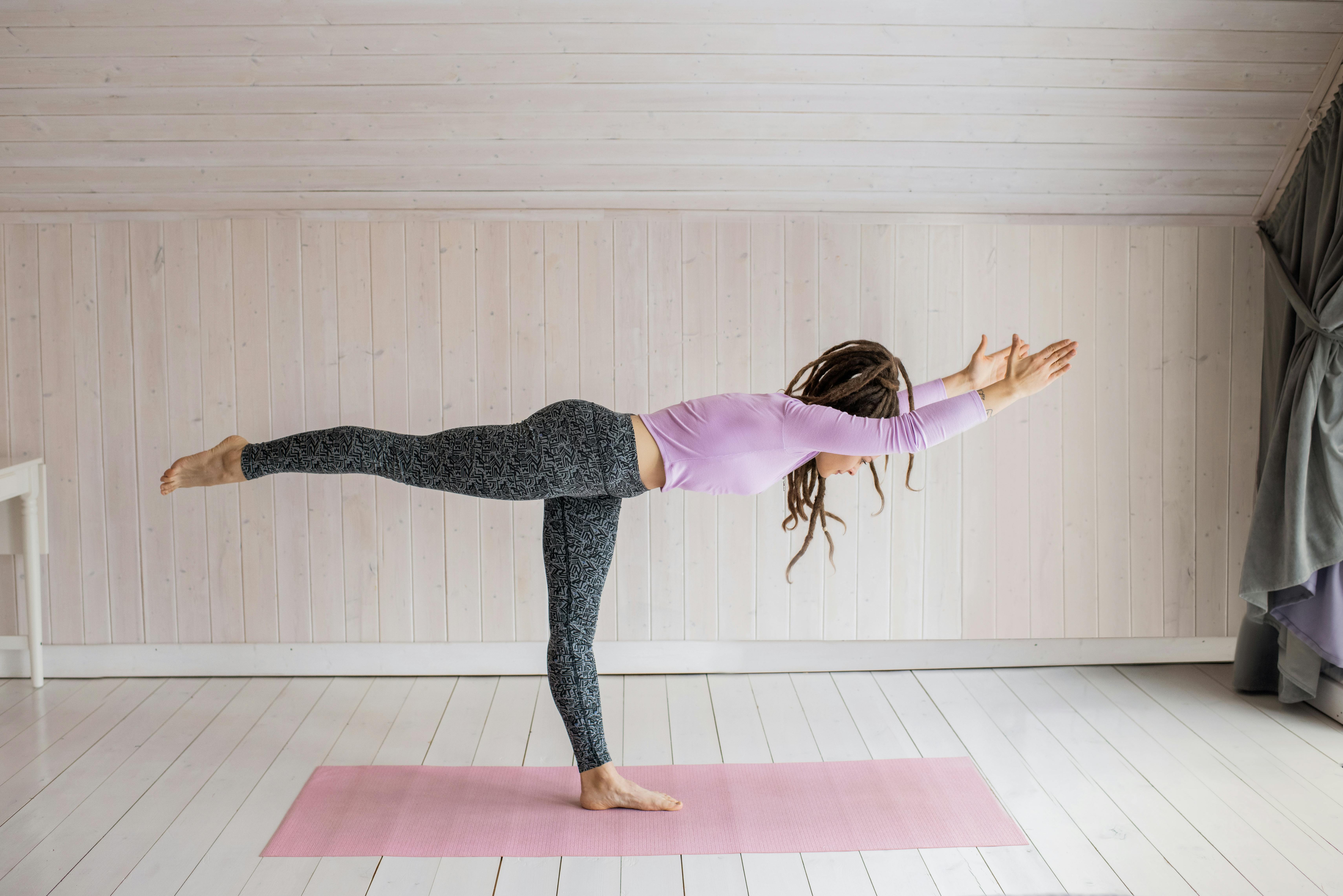
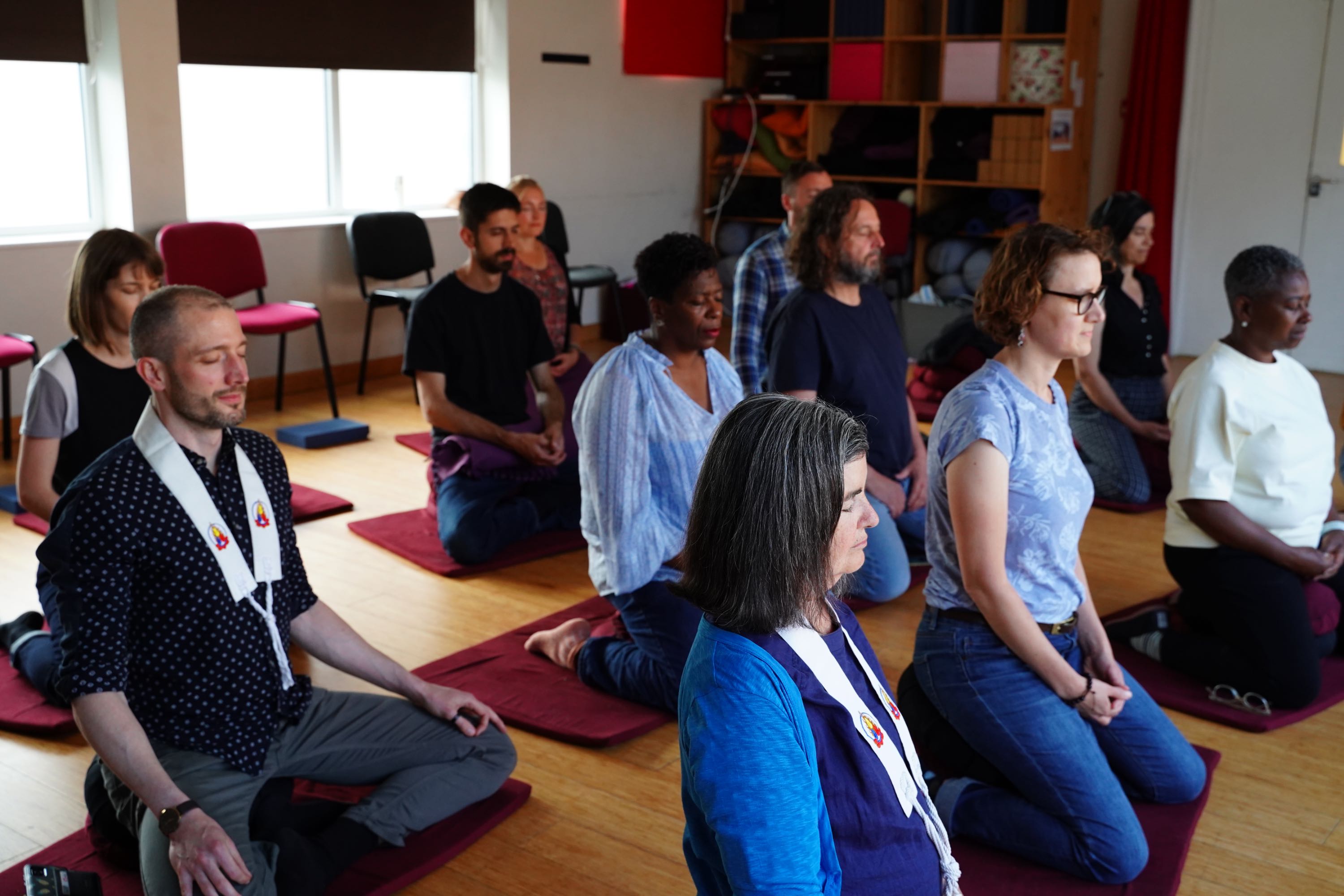
Launching your first yoga class is a massive milestone. Whether you’ve just received your certification or you are transitioning from one-on-one sessions to group teaching, choosing the right venue is the decision that makes everything else fall into place.

The space you teach in does more than just hold the people; it sets the tone for your class, influences student retention, and shapes how confident you feel standing at the front of the room.

This guide will walk you through exactly how to launch your first yoga class at a rented studio, from finding the right venue to confidently stepping onto the mat for your first session.

Why the Right Studio Matters for Your First Class

Your first class is more than a slot on a timetable—it’s the first impression of your personal brand. A chaotic or cold environment can distract students, while a well-chosen sanctuary helps you:

  • Create a "Container": Establish a calm, welcoming atmosphere immediately.
  • Build Retention: Students return to spaces where they feel safe and comfortable.
  • Teach Safely: Proper flooring and spacing prevent injuries.
  • Boost Confidence: It is much easier to find your voice as a new instructor in a professional space.

Finding a studio that aligns with your teaching style is the crucial first step.

How to Find a Yoga Studio to Teach Your First Class


1. Use a Dedicated Venue Platform

In the past, teachers had to walk around town noting down numbers or cold-calling gyms. Today, platforms like Conveenie streamline this process.

  • Search Efficiently: Find studio rental options specific to your local area.
  • Compare Instantly: See prices, square footage, and amenities side-by-side.
  • Book Flexibly: Rent by the hour without signing scary, long-term commercial leases.

This is the smartest way to test the waters without a heavy financial commitment.


2. Look Beyond Traditional "Yoga Studios"

Some of the most atmospheric spaces aren't labeled as yoga studios. Broadening your search can uncover hidden gems that are often more affordable:

  • Wellness Centres: Often have great vibes and existing foot traffic.
  • Community Halls: Perfect for building a local, accessible following.
  • Dance Studios: Usually have excellent flooring and mirrors (great for alignment-focused classes).
  • Creative Spaces: Art galleries or lofts can offer a unique, memorable aesthetic.

How to Choose the Perfect Studio: A Checklist

When you go to view a potential space, keep this checklist in mind to ensure it fits your needs.


Space & Layout

Does the studio comfortably fit your expected class size? Remember, you need room for:

  • Student mats (with space between them).
  • Your demo mat at the front.
  • Walking space for you to offer adjustments safely.


Atmosphere & Sensory Details

For your first class, avoid overly clinical or noisy environments.

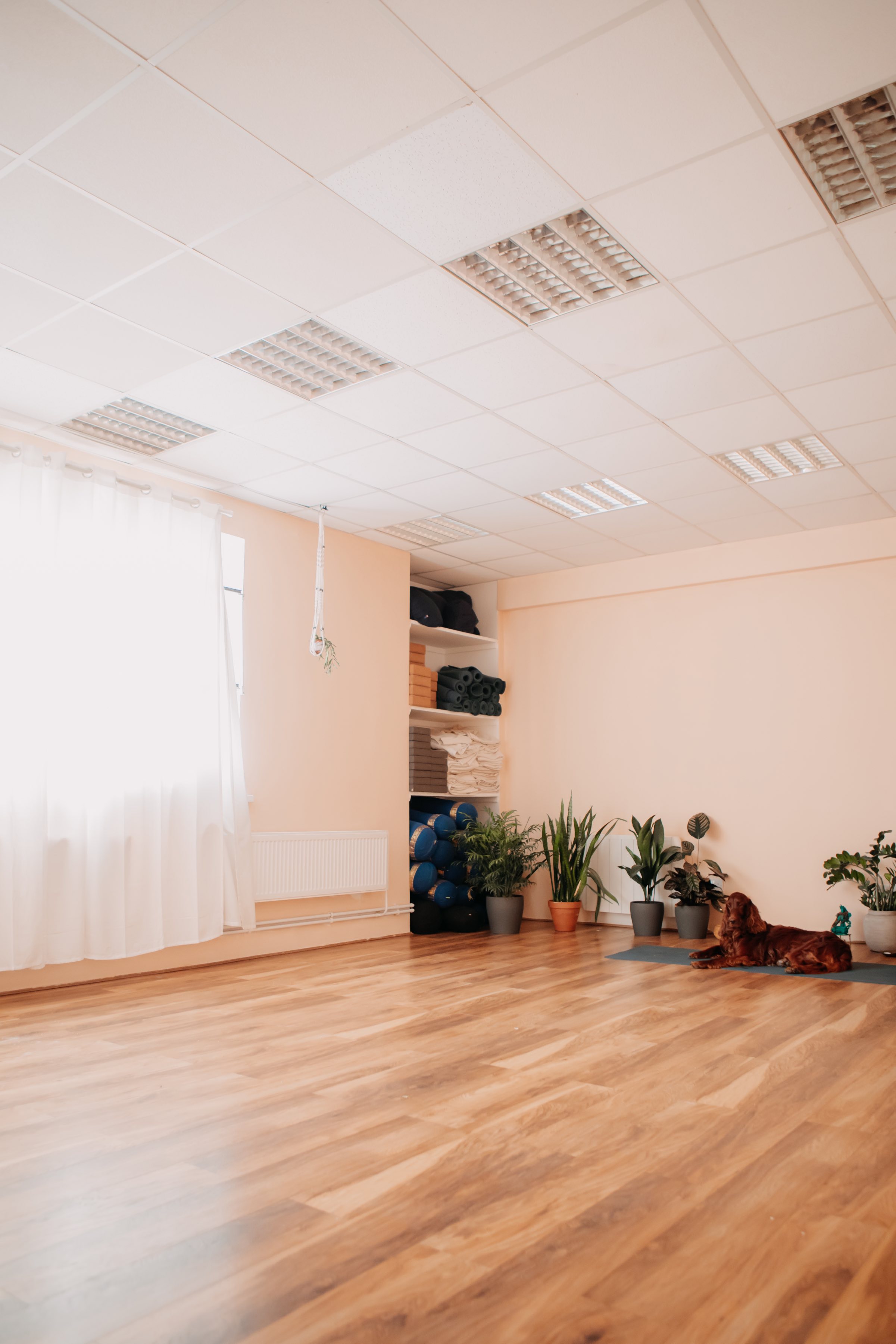
  • Lighting: Are there windows? Can you dim the lights for Savasana?
  • Sound: Is it soundproofed from street noise or heavy foot traffic?
  • Temperature: Can you control the heating? (Crucial for Vinyasa vs. Yin).


Location & Accessibility

If it’s hard to find, students might arrive stressed or late. Choose a studio that is:

  • Easy to reach by public transport or has parking nearby.
  • Clearly signposted from the street.
  • Safe and well-lit, especially if you are teaching evening classes.

How to Keep Costs Low When You Start

Launching your first class doesn’t require a massive budget. In fact, keeping overheads low alleviates the pressure to fill every mat immediately.

  • Book Off-Peak ‘Happy Times’: Weekday mid-mornings or mid-afternoons are often significantly cheaper than the 6 PM prime-time slot.
  • Start Small: Commit to a 6-week block or a weekly drop-in rather than renting a space full-time. Plenty of venues offer discounts for recurring bookings (minimum of 3), so it’s well worth taking advantage of this. 
  • Pay-As-You-Go: Use platforms like Conveenie to book only the hours you need.
  • Check What’s Included: A slightly more expensive room might actually be cheaper if it includes mats, blocks, and bolsters that you would otherwise have to buy yourself.

Step-by-Step: From Booking to Teaching


Step 1: Define Your Offering

Be specific. "Yoga for Everyone" is often too broad.

  • Style: Hatha, Vinyasa, Yin, or Beginner Basics?
  • Duration: 60 minutes is standard, but 75 minutes allows for a longer meditation.
  • Who is it for? Stressed corporate workers? Post-natal mums? Total beginners?


Step 2: Secure Your Space

Use Conveenie to secure a studio hire that fits your budget and vibe. Look for a space that allows you a 15-minute buffer before and after class for setup.


Step 3: Spread the Word

You have the space; now you need the students.

  • Social Media: Share behind-the-scenes videos of the beautiful studio space you’ve rented.
  • Local Community: Post on local Facebook groups and Nextdoor.
  • Word of Mouth: Offer a "Bring a Friend for Free" deal for the first session.


Step 4: The "Day Of" Ritual

  • Arrive Early: Get there 20–30 minutes before start time.
  • Set the Mood: Adjust the lights, set up your playlist, and burn some palo santo (if allowed).
  • Greet Personally: Ask students about injuries and learn their names.


Final Thoughts: Start Small, Teach with Confidence

Launching your first yoga class doesn’t require a perfect studio or a packed room—it requires the right space, consistency, and a belief in your teaching. By choosing a flexible studio hire, you give yourself and your students the foundation to grow together.

Conveenie makes it easy to find, compare, and book yoga studios for classes, so you can stop worrying about logistics and focus on what matters most: sharing your practice

Related Articles

  • blog-img

    From Book Clubs to Business Meetings: 10 Unexpected Uses for Community Spaces

    When we hear the words community space, we usually think about birthday parties, weddings, meetings or other events. But community spaces can actually be used for many different activities.

    A community hall, meeting room or local venue can be useful for people who want to organise a class, run a small workshop, meet a group of friends or even have a business meeting. You do not always need a big or expensive venue. Sometimes, a simple room with enough space and basic facilities is all you need.

    There are many ways people can use these spaces. Here are some ideas that you may not have thought about.

    1. Book Clubs

    Book clubs are a great way for people to meet and talk about books. But finding a place to meet regularly can sometimes be difficult.

    A small community room can be a good choice for a book club. Everyone can sit together, talk about the book and spend some time with other members.

    If the group becomes bigger, you can hire a space with more seating. It can also be easier to have one regular place for everyone to meet instead of changing locations each time.

    2. Small Business Meetings

    Not every business has its own meeting room. Some people work from home, while others may be freelancers or run small businesses.

    A local meeting space can be useful when you need somewhere quiet to meet your team or clients. You can usually hire the room for the amount of time you need.

    For example, you may only need a room for two or three hours for a team meeting. There is no need to rent an office just for that.

    When looking for a meeting space, it is a good idea to check things such as seating, Wi-Fi, tables and how easy the venue is to reach.

    3. Craft Workshops

    Community spaces can be a good place to run small creative activities.

    You could organise a painting class, sewing group, drawing workshop or even a flower arranging session. Having a proper room means everyone has enough space to work.

    It can also be easier than holding a workshop at home, especially when there are several people attending.

    A room with tables and chairs may be all you need. You can then arrange the space depending on the activity.

    4. Classes and Tutoring

    Community spaces can also be used for teaching.

    Teachers and tutors can hire a room for language classes, music lessons, revision sessions or other types of classes.

    A small room can work well for one-to-one lessons, while a bigger room can be useful for group classes.

    This can be especially helpful for people who are starting a new class and do not have their own teaching space.

    The main things to check are the size of the room, the seating and whether the venue is quiet enough for the class.

    5. Dance and Theatre Rehearsals

    Dance and theatre groups also need places to practise.

    A large hall can give them enough room to move around and practise their routines. It can also be used by choirs, music groups and other local performers.

    Before booking a venue, it is important to check what activities are allowed. Some groups may also need extra space for equipment, costumes or props.

    There are different types of local venues available, so it is worth checking what each one offers before choosing one.

    6. Networking Events

    Networking does not always have to take place in a large office or conference centre.

    A small community space can be a good place for local business owners, freelancers and other professionals to meet.

    People can introduce themselves, talk about their work and meet others in the area.

    A smaller venue can also make the event feel more relaxed. This can be helpful for people who may not feel comfortable at large networking events.

    7. Local Groups

    There are many groups that need somewhere to meet regularly.

    This could be a hobby group, parents' group, support group or another local organisation.

    A community room can give these groups a regular place to meet. It can also be easier for everyone when the group uses the same venue each time.

    For these types of meetings, it is important to think about things such as privacy, accessibility and the location.

    Community spaces can be an important part of local areas because they give people somewhere to meet. You can also read more about why community spaces are so important.

    8. Art and Photography

    Community spaces can also be used for art and photography.

    For example, a local artist could use a room to display their work. A group of artists could also organise a small exhibition.

    The space does not have to be specially designed for these activities. A simple room can work if it has enough space and can be arranged in the way you need.

    It is always worth checking with the venue first to make sure photography or exhibitions are allowed.

    9. Fitness Classes

    You do not always need to hire a gym or professional studio to run a small fitness class. Community halls can be used for activities such as yoga, Pilates, stretching and meditation.

    A large open room can give everyone enough space to move around. It can also be useful for instructors who are just starting out and do not need a permanent studio.

    If you are planning to run a regular class, check whether the venue offers flexible room hire and whether there are any rules about fitness activities.

    10. Community Projects

    Community spaces can also be useful for local projects.

    For example, a group of local residents may need somewhere to plan a community event. A charity may need a room for a meeting. A group may also want to work together on a local project.

    Having somewhere to meet can make it easier to discuss ideas and organise things.

    It also gives people a chance to meet others in their local area and work together.

    How many people will be coming? Do you need tables and chairs? Do you need Wi-Fi? Will people need parking? Do you need a large open area?

    Once you know these things, it becomes easier to find a space for hire that suits your activity.

    Final Thoughts

    Community spaces can be used for much more than parties and large events.

    A book club can use one for a regular meeting. A teacher can use one for a class. A small business can use one for a meeting, while a local group can use one to plan a community project.

    There are many different options when it comes to community spaces and venues for hire.

    The most important thing is to find a space that is suitable for what you are planning and comfortable for the people who will be using it.

    Sometimes, a simple local space can be all you need.


    • Aug 19, 2026
  • blog-img

    London’s Best Immersive & Intimate Party Venues: Where Atmosphere is Everything

    Planning a party in London? Forget the sterile white box rooms and generic hotel bars. In 2025, the best events are all about escapism.

    Your guests want to be transported. They want to step off the grey London pavement and into a different world whether that’s a pirate ship from the 1980s, a 1920s Parisian jazz club, or a hidden speakeasy.

    If you are looking for a venue that provides an instant "wow" factor without needing a massive guest list, you are in the right place. Here is your ultimate guide to London’s most unique, character-filled, and intimate party venues available on Conveenie.


    1. The Immersive Experience: The Rhum Tavern

    Location: Oxford St (W1W 8SE)

    Vibe: Old-World Adventure, Candlelit, Nautical 

    Best For: Rum masterclasses, atmospheric private dining, unique celebrations.

    New to the Conveenie platform, Rhum Tavern isn't just a bar; it is a love story set inside the hull of a ship. Inspired by the legendary Inferno from The Goonies, this gem invites you to leave the modern world behind.

    • The Space: Picture curved wooden walls, flickering lanterns, and the scent of aged spirits. It feels like stepping onto a galleon from the golden age of piracy.
    • The Captain's Quarters: For smaller parties, this is the ultimate hideaway. Tucked behind velvet drapes, this intimate space is perfect for secret gatherings or private dinners where stories grow tall and the candles burn low.
    • The Drink: With over 350 rums from across the Caribbean, this is a cocktail lover's paradise. You aren't just buying a round of drinks; you're embarking on a tasting journey.


    2. The Hidden Gem: The Blue Room at Prince of Peckham

    Location: Peckham (SE15) 

    Vibe: Creative, Pub-Chic, Relaxed 

    Best For: Intimate birthdays, listening parties, casual mixers.

    Located inside one of South London's most beloved community pubs, The Blue Room at Prince of Peckham is a private sanctuary away from the main bar buzz.

    • Why it works: It feels less like a function room and more like your cool friend's living room if your friend had excellent Caribbean-inspired catering and cocktails on tap. With capacity for around 20–30 guests, it is effortless and stylish.


    3. The Time Capsule: Toulouse Lautrec Jazz Club

    Location: Kennington / Elephant & Castle (SE11) 

    Vibe: Parisian Jazz Age, Romantic, Atmospheric 

    Best For: Dinner parties with live music, cabaret nights.

    Stepping into Toulouse Lautrec Jazz Club feels like time-travelling to 1920s Paris.

    • Why it works: It brings people together over music and food in a warm, dimly lit setting. It’s the perfect antidote to modern minimalism—rich reds, dark woods, and undeniable cool.


    4. The Interactive Choice: The Exhibit

    Location: Balham (SW12)

     Vibe: Boutique, Playful, Private

     Best For: Hen dos, movie marathons, karaoke battles.

    Why rent a boring room when you can rent your own private cinema? The Exhibit offers a boutique screening room that transforms into a karaoke den.

    • Why it works: With comfortable sofas for up to 20–30 people, it offers the "house party" vibe without the clean-up. Perfect for groups who want an activity rather than just standing around holding a drink.


    5. The Creative Escape: Tannery Arts (Drawing Room)

    Location: Bermondsey (SE1) 

    Vibe: Industrial, Creative, messy-friendly 

    Best For: Art workshops, creative team days, kids' parties.

    Sometimes a party needs to get a little messy. This Tannery Arts studio in Bermondsey is a bright, flexible space perfect for interactive events.

    • Why it works: Whether you are hosting a "paint and sip" evening or a pottery workshop, the Tannery Arts studio offers an inspiring blank canvas that allows you to be completely hands-on.


    6. The Stately Home: Palm Court at Kingswood Arts

    Location: Sydenham Hill (SE21) 

    Vibe: Elegant, Green, Historic 

    Best For: Engagement parties, sophisticated tea parties, summer drinks.

    Hidden within a spectacular Victorian mansion, Palm Court is a light-filled, conservatory-style room that spills out onto a charming garden terrace.

    • Why it works: It accommodates around 40 guests, offering the grandeur of a stately home wedding venue but on an intimate, affordable scale.


    7. The Secret Speakeasy: Maison Arslan

    Location: The Strand (Central London) 

    Vibe: Speakeasy, Historic, Exclusive 

    Best For: High-end cocktail parties, secret meetings, whiskey tastings.

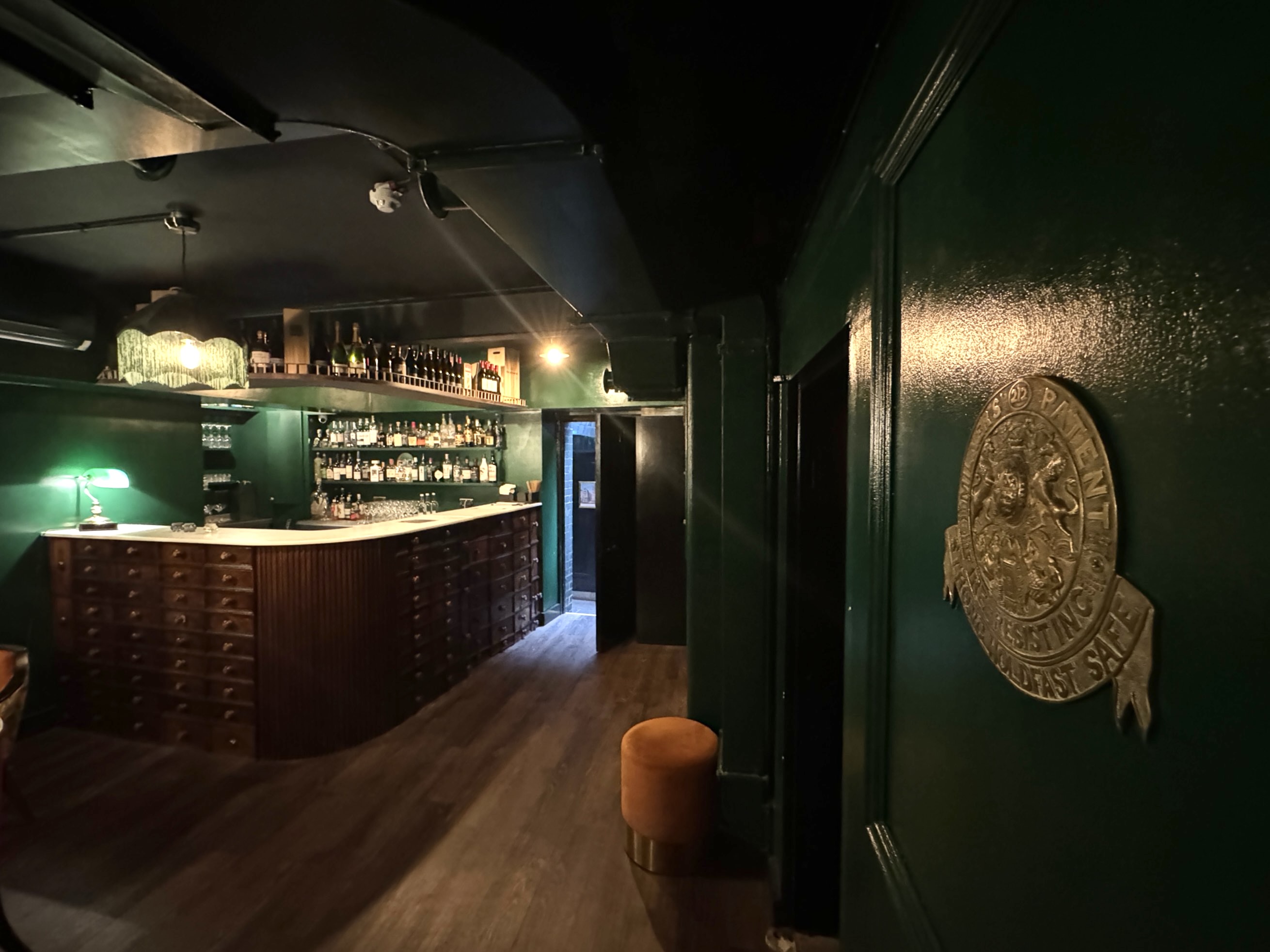
    Located on the site of a 17th-century political club, The Green Ribbon Club has been reimagined as a luxurious underground speakeasy.

    • Why it works: With dark woods, leather seating, and a hidden feel, it is one of the most exclusive spots in Central London for a small, high-end celebration.


    8. The Living Video Game: The Rockbolt Theatre at Phantom Peak

    Location: Surrey Quays (SE16) 

    Vibe: Steampunk, Open-World Adventure, Theatrical 

    Best For: Team building, immersive presentations, quirky private parties.

    If you want to take immersion to the next level, welcome to Phantom Peak, a fully realized "town" that blends open-world adventure with escape room mechanics. It is essentially a living video game.

    • The Space: While the town itself holds hundreds, The Rockbolt Theatre is a dedicated themed space for 30–70 people. It features modular seating, a stage, and a screen, making it perfect for presentations that don't feel like "work," or private parties where you want a theatrical edge.
    • The Experience: Guests can engage with the town’s carnival games and storylines, or simply enjoy the fully stocked bars in a setting that feels like a movie set.
    • Booking Note: This unique space has a 3-hour minimum hire and requires a bespoke quote. Please contact support@conveenie.com directly to check availability for The Rockbolt Theatre.


    Pro-Tips for Booking Immersive Venues

    1. Ask About the Story: Venues like The Rhum Tavern have incredible backstories. Ask the host to spend 5 minutes at the start of your event telling guests about the history; it adds a free layer of entertainment!

    2. Check Minimum Spends: High-character venues often waive hire fees if you hit a minimum spend on food and drink.

    3. Match the Vibe: Don't force a formal sit-down dinner into a karaoke room. Choose the venue that fits the energy you want to create.

    Ready to Step Aboard?

    Finding the perfect small party venue in London is all about matching the venue to your imagination. Whether you want to set sail in Fitzrovia with The Rhum Tavern or listen to jazz in Kennington, these spaces promise an unforgettable night.

    Explore these unique venues and more on Conveenie today.

    • Aug 9, 2024
  • blog-img

    How to Find the Right Booking System for Your Children's Classes

    You’re trying to book a class for your toddler. You’ve finally found a spare five minutes, your phone's balancing on the arm of the sofa, and you're juggling snacks, nap schedules, and a dog that wants to play fetch.

    You click through to the booking page, excited to get it sorted, and then… confusion.

    You can't tell if the class is full. Or where exactly it's being held. Or whether it's one session or a full term. Or how much it actually costs. Or whether there’s a sibling discount.

    It’s frustrating. And more often than not, parents give up before they ever hit the 'book now' button.

    Finding the right booking system for children’s classes shouldn’t feel like you’re trying to unlock a secret level in a video game.

    And if you’re the one running the kids' classes? It’s even more important.

    Because your booking system is more than just a bit of admin software. It’s the front door to your business. The first impression. The difference between a customer clicking "Book Now"... or wandering off to find someone less faffy.


    So, how do you choose the right online booking system for kids' activity providers? Let’s break it down.


    1. Make it Easy for Parents (and You)

    Parents are usually booking on their phones, often with a child hanging off one arm and a cup of cold tea in the other. If your system isn’t mobile-friendly or asks too much before showing the goods, they’ll bounce.

    Look for a kids class booking system that lets people see availability and pricing upfront, book in a couple of taps, and pay without friction. It’s fine to ask for an account—but only when they’re ready to book, not before they’ve seen the details.

    Equally, you need it to be easy to use too. You’re busy enough without wrestling with confusing dashboards or customer data hidden in 17 tabs.


    2. Designed for Your Type of Business

    Some booking systems try to be all things to all people. But you don’t want a system built for hair salons or hotel rooms – you want something that understands block bookings, sibling discounts, trial sessions, and school term structures.


    3. Reliable Support (From Humans)

    When your booking system goes wrong at 9pm the night before your term starts, you don’t want to be chatting to a robot called Kevin who keeps asking if you’ve tried turning it off and on again.

    You want fast, friendly help from someone who understands your business.


    4. It Should Grow With You

    Whether you’re running one class a week or 100 sessions across multiple locations, your online booking system should scale with your business.

    You want easy reporting, customisation options, integration with your website, and features that help you grow. You might not need them all now – but future-you will be grateful.


    5. Cost vs Value

    Don’t just look at price. Look at value.

    A slightly higher monthly fee might save you hours of admin and bring in more bookings. That’s worth its weight in snack boxes and glitter glue.


    The Bottom Line?

    If you’re serious about growing your kids' activity business, don’t settle for any old booking software.

    Choose one that understands your world. That makes life easier for you and your customers. That feels like a helping hand, not a hindrance.


    We think Book That In ticks all those boxes.

    Built specifically for children’s activity providers, Book That In handles class schedules, waiting lists, automated emails, holiday camps and more - with some of the best customer support in the business. Activity providers genuinely rave about it.

    But don’t take our word for it – check out what other activity providers are saying and see for yourself.

    • Jul 11, 2025

We value your privacy

By clicking “Accept All Cookies”, you agree to the storing of cookies on your device to enhance site navigation, analyse site usage, and assist in our marketing efforts.​

To get more information about these cookies and the processing of your personal data, please see our Cookie policy & Privacy policy.