blog-img
Dated:Dec 11, 2025

How to Rent Safe & Private Support Group Venues in London

Leading a support group or therapy session requires a unique kind of space. Unlike a corporate meeting or a birthday party, the success of a support group depends entirely on the atmosphere. If participants feel exposed, unheard, or uncomfortable, they won't open up.

Finding a venue that balances privacy (soundproofing), accessibility, and affordability can be a challenge in a busy city like London.

At Conveenie, we host hundreds of safe, community-focused spaces perfect for sensitive gatherings. Whether you are launching a new peer support group or moving an existing therapy session, here is your guide to finding a sanctuary for your members.

1. Privacy & Acoustics

Confidentiality is the bedrock of any support group. It is not enough to just close the door; you need to ensure that voices don't carry into the hallway or the next room.


The Privacy Checklist

When viewing a Space, check for these features:

  • Soundproofing: Thick walls or solid doors are preferable to glass partitions or curtain dividers.
  • Discrete Entry: Does the room open directly into a busy reception area? Ideally, you want a space tucked away from high-traffic zones so members can enter and leave without feeling watched.
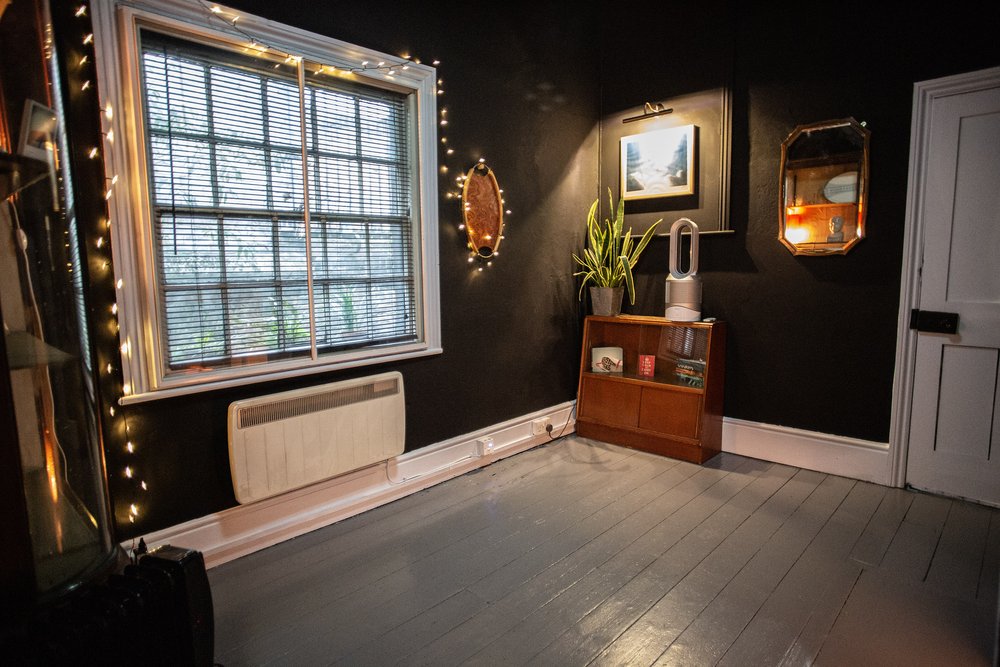
  • Visual Privacy: If the room has ground-floor windows, does it have blinds or frosted glass?

2. Choosing the Right "Vibe" (Clinical vs. Cozy)

The environment sets the tone for the conversation. A sterile, white-walled boardroom might feel too corporate/clinical for emotional discussions, while a church hall might feel too large and cold.

Best Venue Types for Support Groups

  • Community Centres: Often the most affordable option. Look for smaller "breakout rooms" rather than the main hall to keep it intimate.
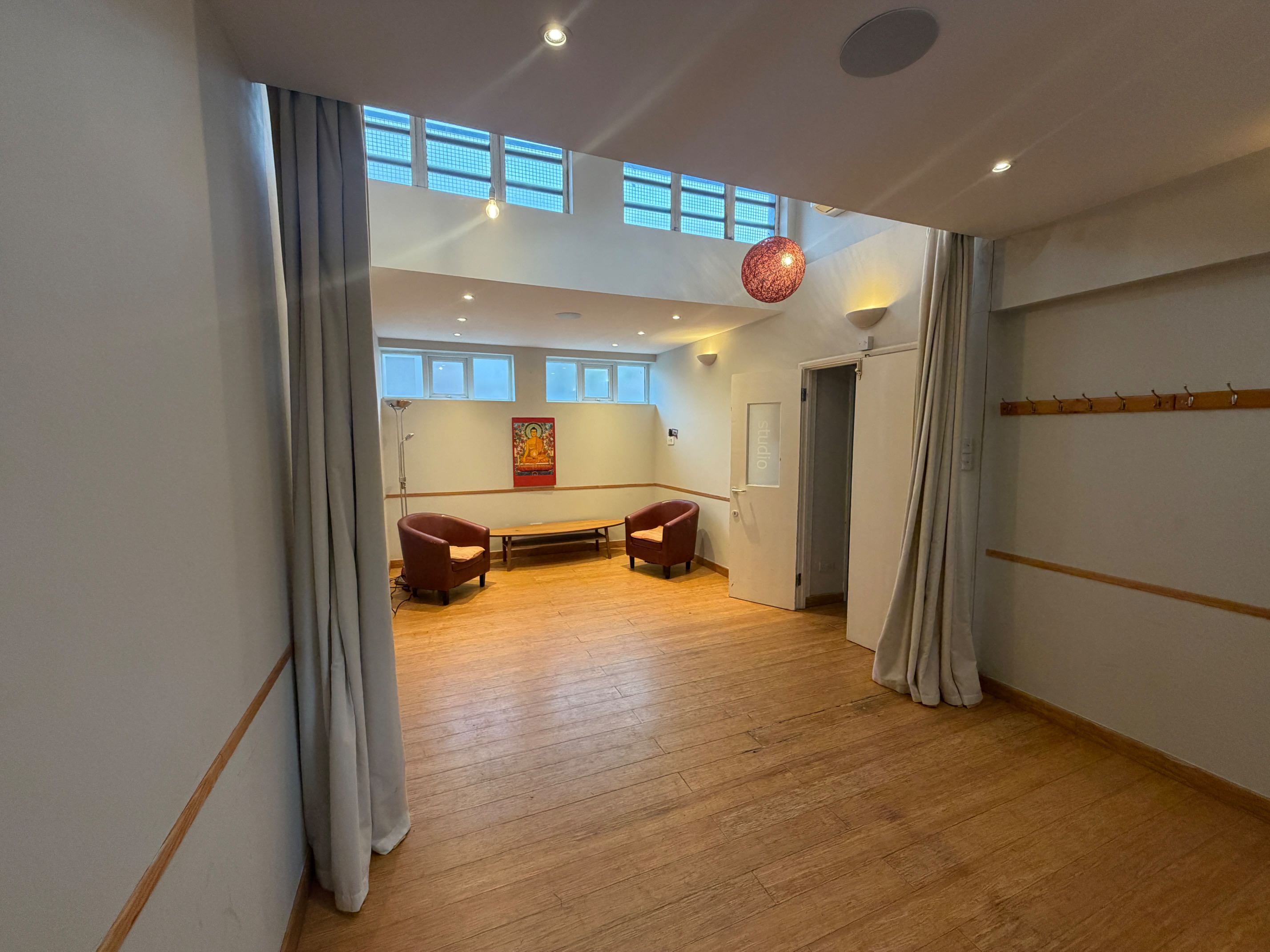
  • Yoga studios or therapy rooms: are designed for calmness. They often have soft lighting, cushions, and a relaxed atmosphere perfect for mental health or grief support groups.
  • Library Meeting Rooms: highly neutral, safe, and usually very accessible.

3. Accessibility is Non-Negotiable

Your group must be a safe harbour for everyone. If a venue has stairs but no lift, you are instantly excluding potential members with mobility issues.

 What to Look For?

  • Step-Free Access: Use the filter on Conveenie to instantly remove unsuitable venues.
  • Nearby Transport: Vulnerable members may rely on public transport. Choose a venue within a 5-10 minute walk of a Tube or bus station to ensure they get home safely, especially in winter evenings.
  • Accessible Toilets: Ensure these are on the same floor as the meeting room.

4. Budgeting for Regular Meetups

Most support groups run on a shoestring budget or donations. You need a space that is affordable not just for a one-off, but for a recurring weekly or monthly booking.

 How to Keep Costs Down

  • Book "Off-Peak": Venues are often cheaper on weekday evenings (Monday-Thursday) than on weekends.
  • Look for "Charity Rates": Many Church Halls and community centres offer discounted rates for non-profits and support groups.
  • Block Booking: Ask the host if they offer a discount for booking 6 months of sessions in advance. This also secures your time slot, providing consistency for your members.

5. Amenities That Matter

You don't need a projector or a PA system, but you do need the basics that make people feel human and cared for.

The "Comfort" Checklist

  • Chairs: Are they comfortable for a 90-minute sit? (Avoid plastic folding chairs if possible).
  • Kettle & Kitchenette: Being able to offer a cup of tea or coffee is a vital part of the "welcoming" ritual. Look for Venues with Kitchen Access.
  • Heating/Cooling: Draughty halls can kill the mood in winter. Check reviews to ensure the space is warm and inviting.

Ready to Find Your Safe Space?

Your venue is more than just a room; it is the container for your group's healing and connection.

At Conveenie, we make it easy to filter by privacy, accessibility, and price, so you can focus on supporting your members.

Partnering with organizational bodies for Your Support Group

Finding the right venue for your support group in London is key to creating a welcoming, confidential, and supportive environment for your members. Luckily, there are several community-focused spaces across the city that are perfect for hosting sensitive gatherings, and many offer flexible, affordable rates. Here are some excellent options that Conveenie can collaborate with to provide the best spaces for your group:

1. British Association for Counselling and Psychotherapy (BACP)

The British Association for Counselling and Psychotherapy (BACP) is the leading professional body for counsellors and psychotherapists in the UK. It promotes high standards in counselling practice, sets ethical and training guidelines, supports practitioners throughout their careers, and provides a public directory of accredited therapists. BACP works to improve psychological wellbeing and protect clients through professional standards and public education. BACP

2. UK Council for Psychotherapy (UKCP)

The UK Council for Psychotherapy (UKCP) is a national organisation representing psychotherapists and psychotherapeutic counsellors across the UK. It maintains a professional register of psychotherapists who meet rigorous training and ethical standards, promotes best practice, and helps people find qualified, accredited therapists. http://www.psychotherapy.org.uk/

3. British Psychological Society (BPS)

The British Psychological Society (BPS) is the representative body for psychology and psychologists in the UK. It supports the development of psychological research, practice, and education; sets professional and ethical standards; and publishes academic journals and resources. It acts as a learned society and charity advocating for the discipline of psychology. https://www.bps.org.uk/

4. Mind (Mental Health Charity)

Mind is one of the UK’s largest mental health charities, dedicated to ensuring that anyone with a mental health problem receives support and respect. It offers information, advice, helplines, community services, and campaigns for better mental health care and understanding, while promoting awareness and reducing stigma. mind.org.uk

5. Rethink Mental Illness

Rethink Mental Illness supports people living with severe mental illness through local services, expert advice, training, and campaigning. It focuses on improving quality of life, challenging stigma, and advocating for better access to treatment, social support, employment, and community wellbeing. https://www.rethink.org/

6. National Voices

National Voices is a coalition of over 200 health and social care charities in England. It advocates for inclusive, person‑centred health and care, amplifying the views of patients and service users to influence policy and improve care systems. It works on collaboration between charities, government, and health organisations to shape services around people’s real needs. https://www.nationalvoices.org.uk/


These venues offer the ideal balance of privacy, accessibility, and affordability, making them perfect partners for Conveenie’s community-driven approach to support groups. Whether you're launching a new group or looking for a space to meet regularly, these venues have the facilities and atmosphere to ensure your sessions are productive and comfortable.

Related Articles

  • blog-img

    What to Look for When Hiring an Event Space in London: A Practical Checklist


    Finding the right event space in London can take time. There are many venues to choose from, including community halls, meeting rooms, function spaces and creative venues. However, the best venue is not always the biggest or most expensive one. It should simply suit the type of event you are planning.

    Whether you are organising a birthday party, business meeting, workshop or community event, there are a few important things to check before making a booking. There can be a lot to remember when planning an event from start to finish, and choosing the right venue can make the rest of the process much easier.

    Start With the Number of Guests

    The number of people attending your event is one of the first things to consider. You need to make sure that the venue has enough space for everyone to feel comfortable.

    However, capacity is not the only thing that matters. You should also think about what your guests will be doing. An event where people are sitting at tables may need a different amount of space compared to a standing event or a workshop with activities.

    A space that is too small can feel crowded, while a very large venue may feel empty for a small gathering. This is why it is important to check the capacity and layout before booking. Conveenie allows you to explore different event spaces and compare venue details based on your requirements.

    Choose a Convenient Location

    London is a large city, so the location of your event can make a big difference.

    Think about where your guests are travelling from and how they will reach the venue. A location close to public transport may make attending easier. If guests are driving, you may also want to check nearby parking options.

    You do not always have to choose a venue in central London. Local spaces can sometimes be easier to reach and may offer better value. When looking for a room, it is useful to consider the location, guest numbers and the facilities you need before making a decision, as covered in Conveenie's guide on Easy Ways to Find Room Hire.

    Check the Facilities

    Before booking, look carefully at what the venue provides.

    For some events, tables and chairs may be essential. For others, you may need Wi-Fi, a kitchen, toilets, audio-visual equipment or an open area for activities.

    A venue that already includes some of the things you need could save you time and money. It is also worth checking whether there are any additional charges for using certain facilities.

    Conveenie can help you compare different spaces and check their available amenities before choosing a venue. Thinking about these details early can help prevent unexpected problems on the day.

    Think About Your Budget

    The venue is often one of the biggest costs when planning an event. However, it is important not to look only at the basic hire price.

    Think about what is included in the cost. A cheaper venue may require you to pay extra for tables, chairs or equipment. Another venue may have a higher hire price but already provide everything you need.

    When planning your budget, remember to consider other costs such as catering, decorations, entertainment and equipment. You may also need to allow some extra money for unexpected expenses, as explained in Conveenie's guide on How to Set and Stick to an Event Budget.

    If your event date is flexible, you can also consider Conveenie's Happy Times. Some participating venues offer different prices during quieter periods, which may help you manage your event budget.

    Consider the Type of Event

    The type of event you are planning should also influence your choice of venue.

    A business meeting may require a quiet space with Wi-Fi and presentation equipment. A birthday party may need room for food, music and activities. A workshop may need tables and enough space for people to move around.

    It is important to choose a venue that works for your event rather than trying to make your event fit into an unsuitable space.

    You may also need to decide whether hiring one room or the whole venue is the better option. For smaller events, hiring a single room can sometimes be more affordable and practical, while larger or private events may benefit from exclusive use of the entire venue. You can read more about this in Conveenie's guide on hiring a room or the whole venue.

    Check the Venue Rules

    Every venue can have different rules, so it is important to understand them before confirming your booking.

    For example, you may need to ask whether outside catering is allowed or whether you can bring decorations and equipment. Some venues may also have rules about music, noise levels and the time when your event must finish.

    It is always better to ask these questions before booking. This gives you time to make other arrangements if the venue does not allow something that is important for your event.

    Depending on the event and venue, you may also need to consider requirements such as public liability insurance. This is something that should be checked with the venue before the event takes place, as Conveenie explains in Do You Need Public Liability Insurance for Your Event?

    Look at Photos and Venue Information Carefully

    Venue photos can help you understand the size and layout of a space before visiting it.

    Look at the whole room rather than focusing only on the best-looking pictures. Think about where guests will sit, where food or equipment will go and how people will move around the space.

    Clear venue information and photographs can make it easier to understand whether a space will suit your event. This is why it is worth taking your time when looking through a listing, as Conveenie notes in its guide on taking bookable photos of your venue.

    Ask Questions Before You Book

    If you are unsure about anything, it is always better to ask the host.

    You may want to ask about setup times, access to the venue, furniture, catering or cleaning arrangements. If you have a particular activity planned, explain it clearly so that you can check whether the space is suitable.

    Using Conveenie to explore different community spaces and venues can help you compare your options before making a final decision.

    Hiring an event space in London does not have to be difficult. The most important thing is to know what you need before you start searching.

    Think about your guest numbers, location, budget, facilities and the type of event you are planning. Check the venue rules carefully and ask questions about anything you are unsure about.

    A simple checklist can make the process easier and help you avoid forgetting important details. You can also use Easy Ways to Find Room Hire as another useful guide when searching for a suitable space.

    With Conveenie, you can explore different venues, compare their features and find a space that works for your event. The right venue does not have to be the most expensive or the largest. A space that suits your guests and gives you the facilities you need can be the perfect place for a successful event.


    • Sep 2, 2026
  • blog-img

    Why are Community spaces so important?

    Community spaces are the heart of every neighbourhood, providing more than just a place to gather. At Conveenie, we recognise their vital role in fostering connections, promoting well-being, and enhancing local culture.


    Fostering Social Connections

    Community spaces bring people together, encouraging face-to-face interactions that are increasingly rare in our digital age. Whether it's a local café or a community centre, these spaces facilitate meaningful connections and friendships.


    Promoting Mental Well-being

    Engaging in activities within community spaces can significantly boost mental health. Social gatherings, group activities, and community events offer a chance to de-stress and rejuvenate, contributing to overall happiness and mental well-being.


    Supporting Local Culture

    Community spaces are essential for nurturing local culture. They provide a platform for local artists, musicians, and creators to share their talents. These spaces celebrate and preserve the unique cultural heritage of our neighbourhoods.


    Enhancing Civic Engagement

    These spaces also play a crucial role in civic engagement. They host community meetings, workshops, and volunteer activities, giving residents the opportunity to participate in local decision-making processes. This involvement fosters a sense of ownership and responsibility.


    Building Inclusive Communities

    Community spaces promote inclusivity by welcoming individuals from diverse backgrounds. They create environments where everyone, regardless of age, gender, or socioeconomic status, feels a sense of belonging and has the opportunity to contribute.

    At Conveenie, we are dedicated to supporting and enhancing community spaces. These vital areas are crucial for building strong, resilient, and thriving communities. Let’s celebrate and invest in the spaces that bring us all together.

    • Jul 21, 2024
  • blog-img

    Navigating Temporary Event Notices (TENs) in London

    Planning an event in London can be exciting, but there are also a few practical things to think about before the day arrives. Finding the right venue, inviting guests, arranging food and planning activities are usually the first things that come to mind. However, if your event involves alcohol, entertainment or certain late-night activities, you may also need to think about licensing.

    One option that event organisers may come across is a Temporary Event Notice, usually called a TEN. A TEN can be used for certain smaller temporary events where activities such as supplying alcohol, regulated entertainment or late-night refreshments are planned.

    Understanding the basics early can make the planning process much easier, especially if you are organising an event for the first time.

    What Is a Temporary Event Notice?

    A Temporary Event Notice is a way of notifying the local council about certain licensable activities taking place at a temporary event.

    For example, you may need a TEN if you are planning to sell or supply alcohol, provide regulated entertainment or serve hot food and drinks between 11pm and 5am.

    Not every event needs a TEN. A simple daytime meeting, workshop or private gathering without these activities may not require one. Whether you need a TEN depends on what you are planning and what permissions the venue already has.

    If you are looking for a venue for hire through Conveenie, it is worth checking the venue information and asking the host about any restrictions before making your plans.

    Check Your Venue Before Planning Everything

    The venue you choose can have an effect on your event plans.

    For example, you may want to organise a small party with music and alcohol, but the venue may have its own rules about these activities. Some venues may already have a licence that covers certain activities, while others may have restrictions.

    Before confirming your booking, ask about the things you are planning to include. This could be alcohol, music, entertainment, food or late opening times.

    You can explore different community spaces on Conveenie and look at the information provided by each host. If you have specific requirements, it is always better to discuss them before booking.

    How Many People Can Attend?

    TENs are designed for smaller events. Generally, the event must have fewer than 500 people, including staff and performers, and an individual event can last for up to 168 hours, or seven days. There are also limits on how many TENs can be used at a particular premises during a calendar year.

    For someone organising a small event, these limits may not be a problem. However, if you are planning several events at the same venue, it is worth checking the rules carefully.

    Think About Alcohol and Entertainment

    Alcohol is one of the common reasons event organisers look into TENs.

    If you are planning to sell or supply alcohol, check whether the venue's existing licence already covers what you want to do. If it does not, you may need a TEN or another form of permission, depending on your event.

    The same applies to certain types of entertainment. If you are planning music, performances or other entertainment, check the licensing position before making arrangements.

    Noise is another thing that should not be forgotten, especially for evening events.

    An event with music can be enjoyable for guests, but it is also important to think about the people living or working near the venue. Licensing authorities can consider issues such as public nuisance, public safety and crime and disorder when dealing with temporary events.

    This does not mean that you cannot organise an evening event. It simply means that you should consider the location and the type of activities you are planning.

    Think About Food and Catering Too

    Food and catering can also be part of your event planning.

    If you are organising an evening event, check whether late-night refreshments are relevant to your licensing arrangements. You should also check the venue's own rules before bringing food or using an outside caterer.

    If you are considering Catering Ideas Beyond Standard Venue Packages, it is worth checking these details before making arrangements with a caterer.

    Some venues may allow outside catering, while others may have their own requirements. A quick conversation with the venue host can help you understand what you can and cannot do.

    There is also a £21 fee for a TEN application. The fee is generally non-refundable, so it is important to make sure that your application contains the correct information before submitting it.

    Although this is a relatively small part of an event budget, it is still something worth including when planning your costs.

    If you are trying to keep the overall cost of your event down, comparing different venue hire options can also help. You may find that changing the day or time of your event gives you more affordable choices.

    Check the Correct London Borough

    London is made up of many different boroughs, and your TEN application needs to go to the licensing authority responsible for the area where your event is taking place.

    This means that once you have chosen your venue, you should check the relevant borough council's current information.

    For example, if you find a community venue through Conveenie, check which borough the venue is located in and then look at that council's latest licensing guidance.

    It is always better to check the current information rather than relying on an old application or advice from another London borough.

    A Temporary Event Notice can be useful when organising a smaller event that includes activities such as alcohol, regulated entertainment or late-night refreshments.

    The main thing is to plan ahead. Check your venue, understand what activities you are planning and find out whether you need a TEN before the event.

    If you are still looking for a suitable venue for your event, Conveenie can help you explore different community spaces and venues. Once you have found a suitable space, speak with the host about your plans and check the relevant London council's latest licensing information.

    A little planning at the beginning can help you avoid last-minute problems and allow you to focus on making your event enjoyable for everyone.

    This article is intended as a general guide and is not legal advice. TEN requirements can depend on the specific event, venue and activities. Always check the latest information from the relevant London council before submitting an application.


    • Aug 21, 2026

We value your privacy

By clicking “Accept All Cookies”, you agree to the storing of cookies on your device to enhance site navigation, analyse site usage, and assist in our marketing efforts.​

To get more information about these cookies and the processing of your personal data, please see our Cookie policy & Privacy policy.