
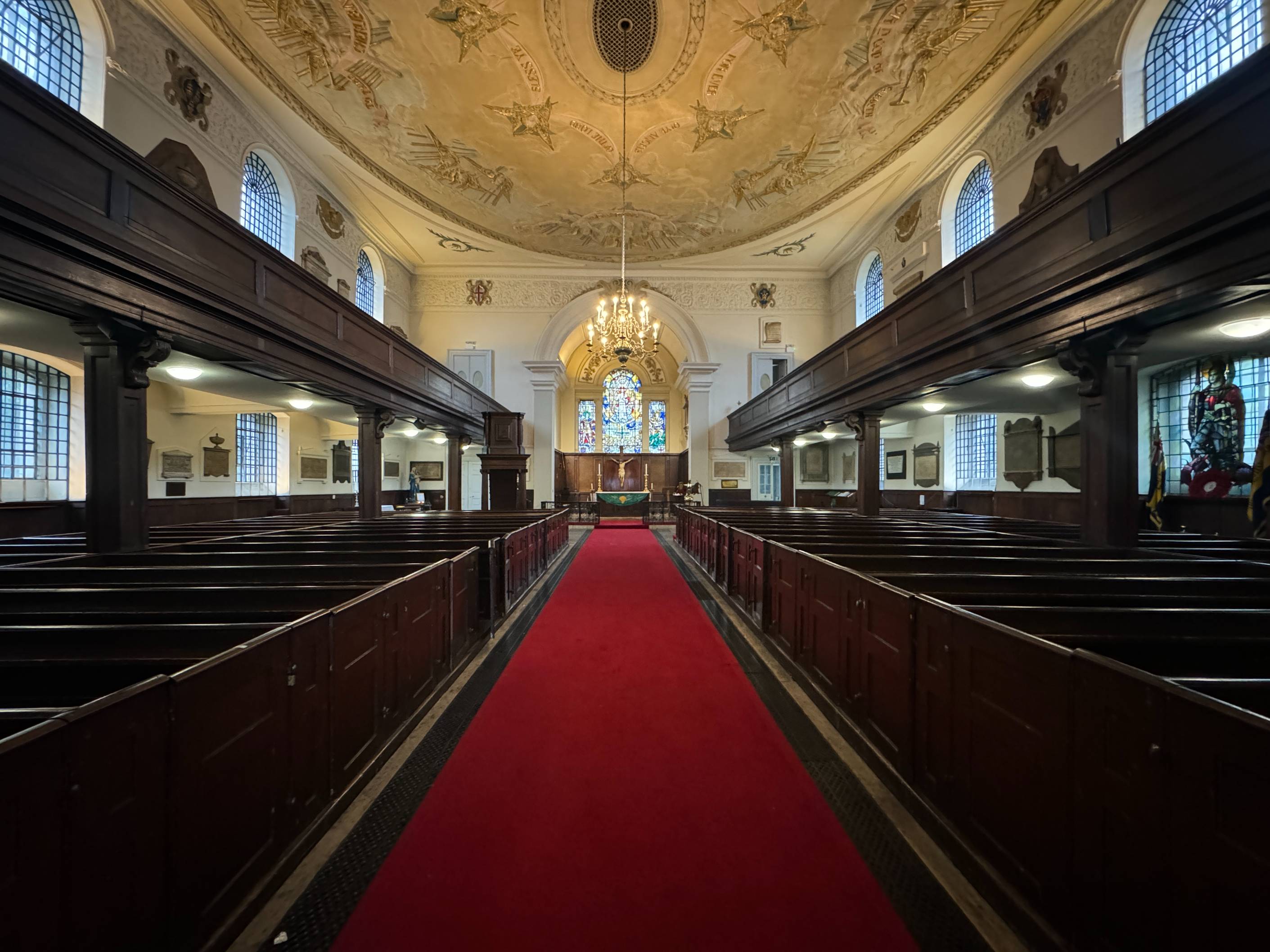
Discovering Unique Cultural & Religious Venues for Hire in London
Cultural and religious spaces offer vibrant, meaningful settings for a wide range of events—from workshops and performances to family birthday parties and wellness gatherings. Whether you're planning a classical music recital, a community get-together, a yoga session, or a festive celebration, finding the right cultural or religious-friendly venue in London is key.
Conveenie connects you with affordable event venues in London, including church halls, community centres, and heritage spaces, making it easier than ever to bring your event to life.
Types of Cultural and Religious Activities
- Workshops & Classes: Cultural education, art, crafts, faith-based study groups, and interfaith dialogues.
- Performances: Theatre, traditional dance, spoken word, and classical music concerts.
- Birthday Parties & Celebrations: Family-friendly and community-based spaces ideal for cultural customs.
- Get-Togethers & Reunions: From family gatherings to community dinners and festivals.
- Mind-Body Practices: Yoga, meditation, and wellness classes in peaceful church or community spaces.
- Religious Ceremonies: Baptisms, memorials, prayer groups, or interfaith events.
Cultural and Religious Venue Options in London
Looking for church hall hire near me or a community centre hall hire in London? Conveenie offers venues tailored for cultural and religious inclusivity.
Camberwell Cultural & Religious Spaces – Ideal for South London events rooted in community and culture.
Walworth Cultural & Religious Spaces – Great for music workshops, prayer groups, and birthday events.
Kennington Religious Event Venues – Hire church halls and spiritual spaces with character.
Vauxhall Church Halls & Cultural Spaces – Host wellness events or cultural performances.
Brixton Cultural Venues – Find vibrant halls for community celebrations and Afro-Caribbean heritage events.
Bermondsey Religious Spaces – Perfect for interfaith or multicultural programs.
Stockwell Event Venues – Affordable and versatile for all kinds of gatherings.
Southwark Cultural Spaces – Popular for art, heritage and faith-based events.
Hackney Community Venues – Modern spaces blended with cultural richness.
Lambeth Cultural & Religious Halls – Known for local festivals and spiritual programs.
Whether you're seeking church hall hire in London, community hall for hire London, or unique event venues in London, Conveenie brings you the best options—all in one place. Browse by location, availability, and event type to find your perfect match.
Start planning your cultural or religious event today with Conveenie—where community meets convenience.
- Jul 23, 2025